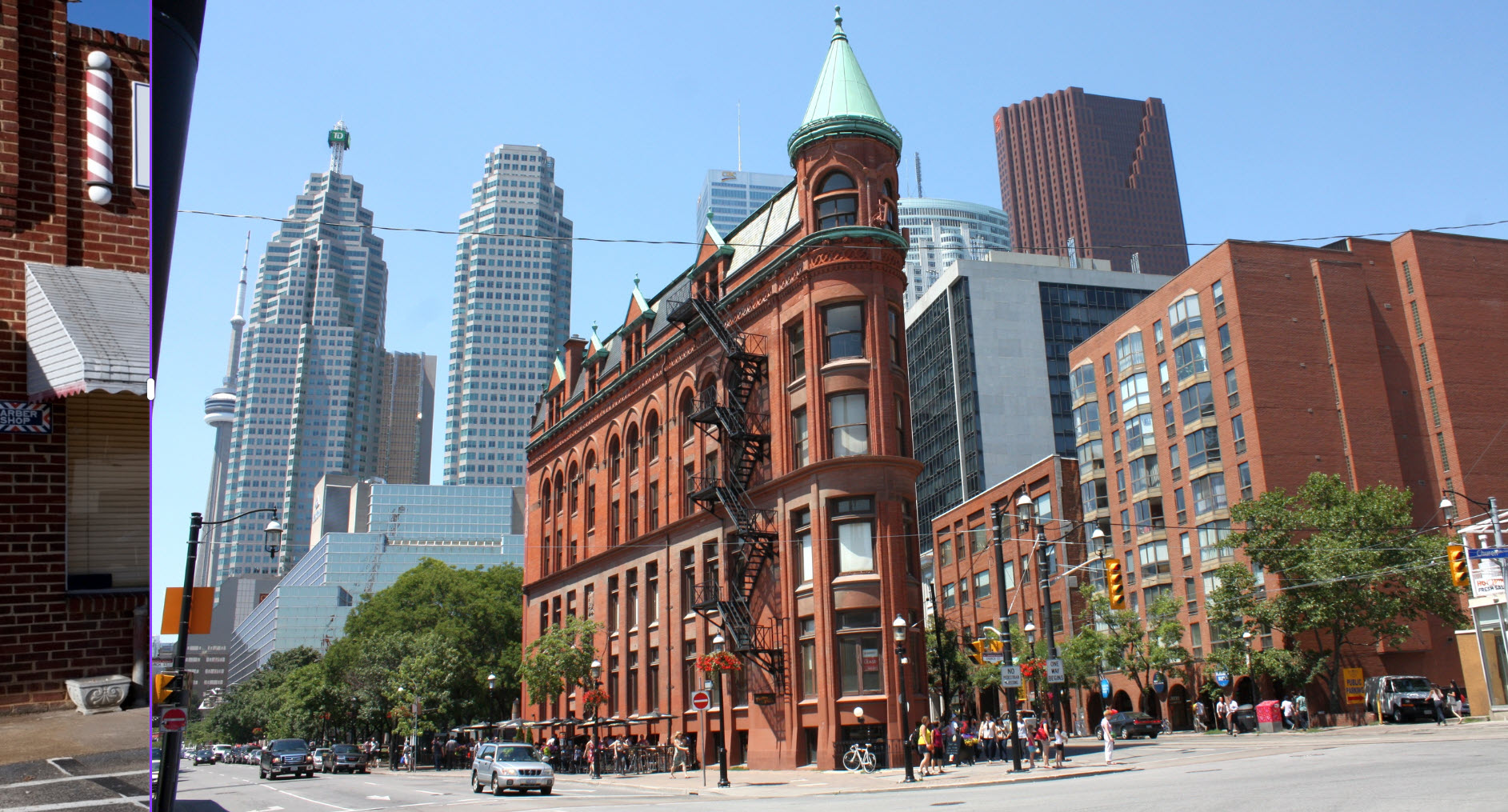
A short commute to work really improves the quality of your life. Workers don’t push for remote work if they can live in a community where the commute is short and pleasant. However, if your employer is in a major city, or worse yet, Toronto, and the demand is for you to go into the office more often, maybe it is time to investigate better working locations or opportunities for greater remote work.
Commuting is Expensive
Trying to get to work is hard. It’s also expensive. It’s expensive in terms of cost, and it’s expensive in terms of your time. Commuting is also a major cause of premature death. Insurance companies take “death by commute” into account in building their mortality tables. Time commuting is an additional time your children need to spend in daycare, time wasted on an unproductive activity, and time that exhausts you and makes your day unbearably long.
People Hate Commuting
People hate commuting, but they do it because they don’t have a choice. Everyone would love to live within walking distance of the office, but there aren’t too many white picket fences near King and Bay. People can’t afford to live near where they work, especially if you have a family. The closer you are to an employment centre, the more expensive the home prices are, and the bigger the mortgages are as well. It’s a huge advantage to have a short commute.
Ontario Commute Times
In Ontario, commute times can vary significantly depending on the city and its infrastructure. Cities with shorter commutes typically have efficient public transportation systems, less traffic congestion, or are smaller in size, allowing for quicker travel across town.
The following 10 cities in Ontario were known for having relatively shorter commute times:
1. Kingston: Known for its compact urban layout, Kingston offers relatively short commute times. The city’s efficient public transit system and the proximity of residential areas to the downtown core and major employers contribute to this.
2. Guelph: Guelph is recognized for its well-planned city layout and efficient public transportation, which helps reduce commute times. Its size and the concentration of employment opportunities within the city limits make commuting more manageable.
3. Burlington: While part of the Greater Toronto Area, Burlington is known for having shorter commute times compared to its larger neighbours. Its efficient road network and public transit options, including GO Train services, facilitate easier commutes.

4. Waterloo: The city of Waterloo, part of the Kitchener-Waterloo metropolitan area, offers relatively short commutes, partly due to its compact size and the presence of a light rail transit system that connects key parts of the city.
5. Barrie: Despite its growth, Barrie still maintains shorter commute times, especially when compared to larger cities like Toronto. Its manageable size and efficient roadways contribute to this.
6. Peterborough: As a smaller city, Peterborough offers the advantage of shorter commutes. The city’s size means that most destinations within Peterborough are easily accessible.
7. St. Catharines: Located in the Niagara region, St. Catharines offers shorter commute times due to its efficient urban layout and less congested roads compared to larger metropolitan areas.
8. Thunder Bay: Being a smaller city with less traffic congestion, Thunder Bay generally offers shorter commute times. The city’s layout and the proximity of residential areas to commercial and industrial zones help reduce travel time.
9. Sudbury: Greater Sudbury, known for its mining industry, also benefits from shorter commute times due to its size and the concentration of employment opportunities within the city.
10 .Windsor: Bordering Detroit, Michigan, Windsor has a well-planned road network and less congestion compared to larger cities, contributing to shorter commute times within the city.
It’s important to note that “short” is a relative term, and what constitutes a short commute can vary based on individual expectations and experiences. Additionally, specific neighbourhoods within these cities may have different commute times, and ongoing developments in infrastructure and public transit can also affect commuting experiences.