Economic conditions exert a profound influence on real estate prices, acting through various channels.
Firstly, the overall health of the economy, indicated by factors such as GDP growth, employment rates, and consumer confidence, directly affects people’s ability and willingness to invest in real estate. A robust economy typically bolsters purchasing power and consumer confidence, leading to increased demand for housing and, consequently, higher property prices.
Conversely, in times of economic downturn, reduced income levels and heightened uncertainty can suppress demand, exerting downward pressure on real estate values. Additionally, inflation rates can impact real estate prices, as properties are often considered a hedge against inflation, attracting more investment in times of rising prices.
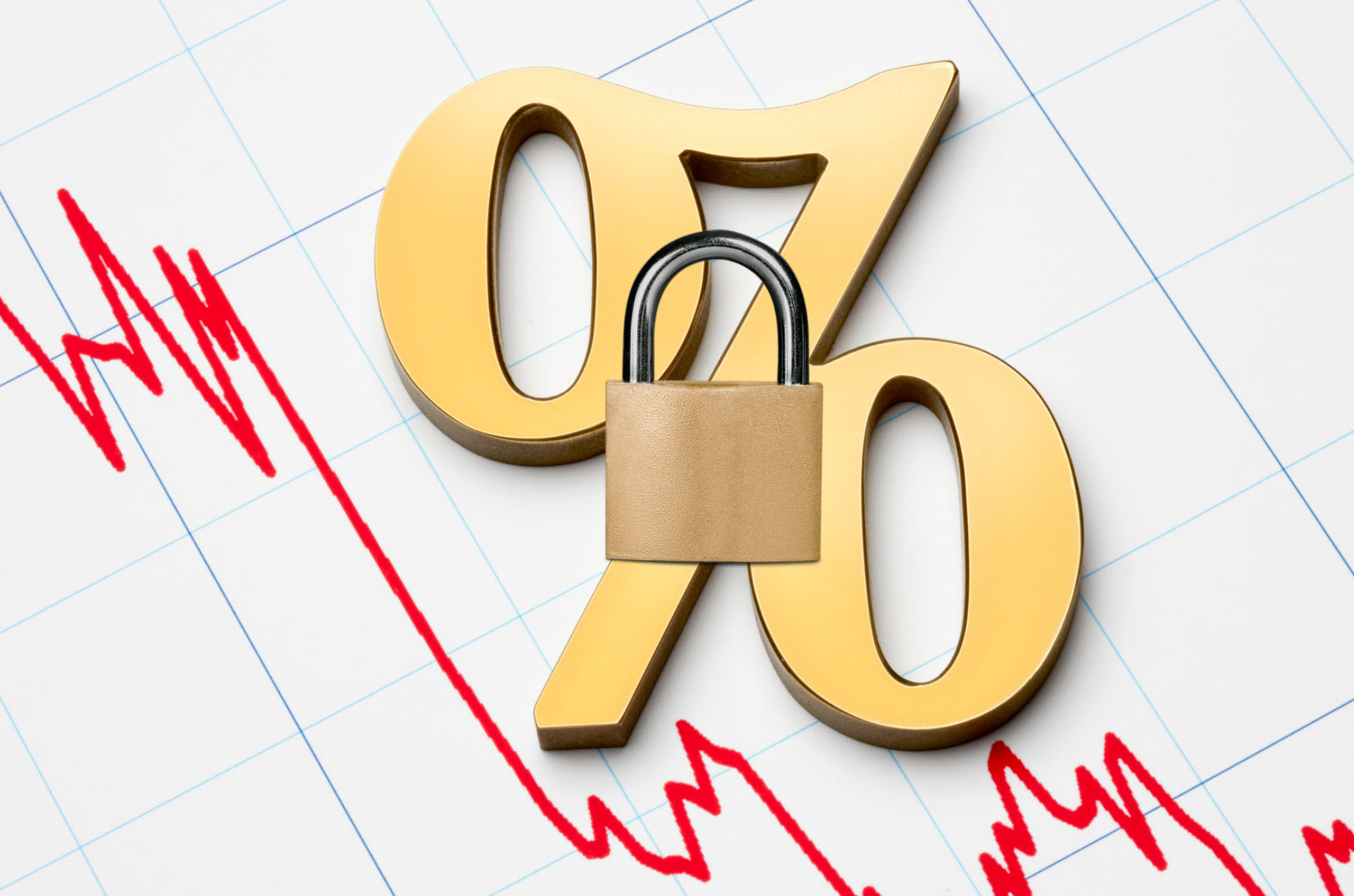
Furthermore, economic conditions influence interest rates set by central banks, which directly affect mortgage rates and thus the affordability of real estate. The interrelation between economic conditions and real estate prices is complex, with each influencing the other in a continuous feedback loop, reflecting the broader economic environment’s impact on individual and institutional real estate investment decisions.
Income Levels
The general economic health of an area directly impacts the income levels of its residents. Higher income levels increase the purchasing power of individuals, enabling them to afford more expensive homes. Conversely, in areas with lower income levels or high unemployment, there may be less demand for expensive properties, leading to lower real estate prices.
Interest Rates
Economic conditions often dictate interest rates set by central banks. Lower interest rates make borrowing cheaper, encouraging more people to take out mortgages and buy homes, which increases demand and can drive up property prices. Higher interest rates can have the opposite effect, reducing demand and putting downward pressure on prices.
Investment Climate
In a strong economy, real estate is often seen as a safe and lucrative investment. This attracts investors, who can drive up prices. In weaker economic conditions, investors may be less active, reducing demand and potentially lowering prices.

Consumer Confidence
The overall economic climate affects consumer confidence. When the economy is strong, people are more likely to make significant financial commitments, like buying a house. In uncertain or declining economic conditions, potential buyers may be more cautious, reducing demand for real estate.
Inflation
Inflation can impact real estate prices in two ways. First, as the cost of goods and services increases, so does the cost of building new homes, which can be passed on to buyers in the form of higher prices. Second, real estate is often considered a hedge against inflation, as property values and rents tend to rise with inflation, attracting more investors.
Employment Opportunities
Areas with abundant job opportunities tend to attract more people, increasing the demand for housing. High employment rates usually indicate a strong economy, which boosts the real estate market.
Government Economic Policies
Fiscal policies, including tax incentives for homeowners or real estate investors, can influence the market. For example, tax breaks for homeowners can increase demand, while subsidies for home builders can increase supply, both affecting prices.
Global Economic Trends
In an increasingly interconnected world, global economic trends can also impact local real estate markets, especially in cities with a significant international presence or in luxury real estate markets.
Credit Availability
The health of the banking sector and the availability of credit are crucial. In a strong economy, banks are more likely to lend, making it easier for people to finance home purchases. Tighter credit conditions can reduce the number of potential buyers in the market.
Migration Patterns
Economic conditions often influence migration patterns. Areas with better job prospects and economic growth attract more people, increasing the demand for housing in those areas.
In summary, economic conditions affect real estate prices through their impact on income levels, interest rates, investment climate, consumer confidence, inflation, employment opportunities, government policies, global trends, credit availability, and migration patterns. These factors collectively influence the demand and supply dynamics in the real estate market, thereby determining property prices.