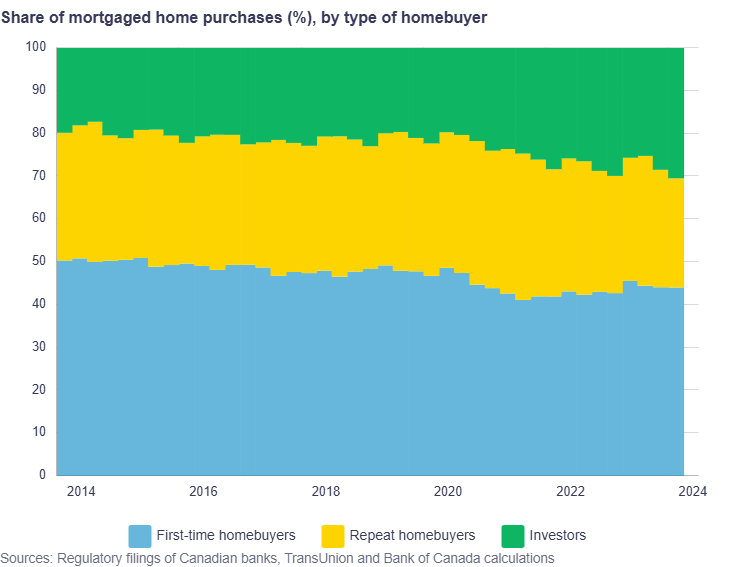
Over 60% of the available listings in the busy city of Toronto belong to investors. While this might seem like a lucrative venture, the reality is that many investors are struggling to maintain their real estate holdings. This phenomenon not only affects landlords but also has ripple effects on the entire real estate market. Let’s discuss the challenges faced by investors, the potential consequences for tenants, and the implications for the rental market as a whole.
Investors Grappling with Financial Challenges
The rise in mortgage rates has made it increasingly difficult for landlords in Toronto to break even financially. Even those with fixed-rate mortgages are feeling the pinch when the Bank of Canada raises the overnight lending rate. This means higher monthly payments for landlords, leaving them with fewer profits or even incurring losses. As a result, many landlords are contemplating selling their properties due to the potential rate hikes, which could have significant implications for the rental market.
The Impact on Tenants
With investors selling their properties, tenants are left in a precarious position. Those who have been living in the property for several years or in rent-controlled buildings might find themselves facing higher rents or even eviction if the new owner intends to occupy the property. As a result, over 1,600 tenants could potentially be displaced from their homes, adding strain to an already competitive rental market.

The Shift in the Real Estate Landscape
Toronto has seen a significant influx of investors purchasing properties, making up a staggering 21.7% of all homes in the city. Investors owned 42% of new listings in October 2018, and this trend doesn’t appear to be slowing down. In fact, projections suggest that by October 2023, a whopping 51% of new listings will be owned by investors. This increasing dominance raises concerns about the accessibility of real estate for end-users who simply want to find a place to call home.
The prevalence of investor-owned properties in Toronto’s real estate market is a growing concern. The financial challenges faced by landlords can trigger a cascade of consequences, affecting tenants and the rental market as a whole. As investors grapple with increasing costs, tenants may find themselves struggling to secure affordable housing, and the competition for available properties will intensify. It’s crucial for policymakers, real estate agents, and tenants alike to closely monitor these dynamics to ensure a balanced and sustainable housing market in Toronto.