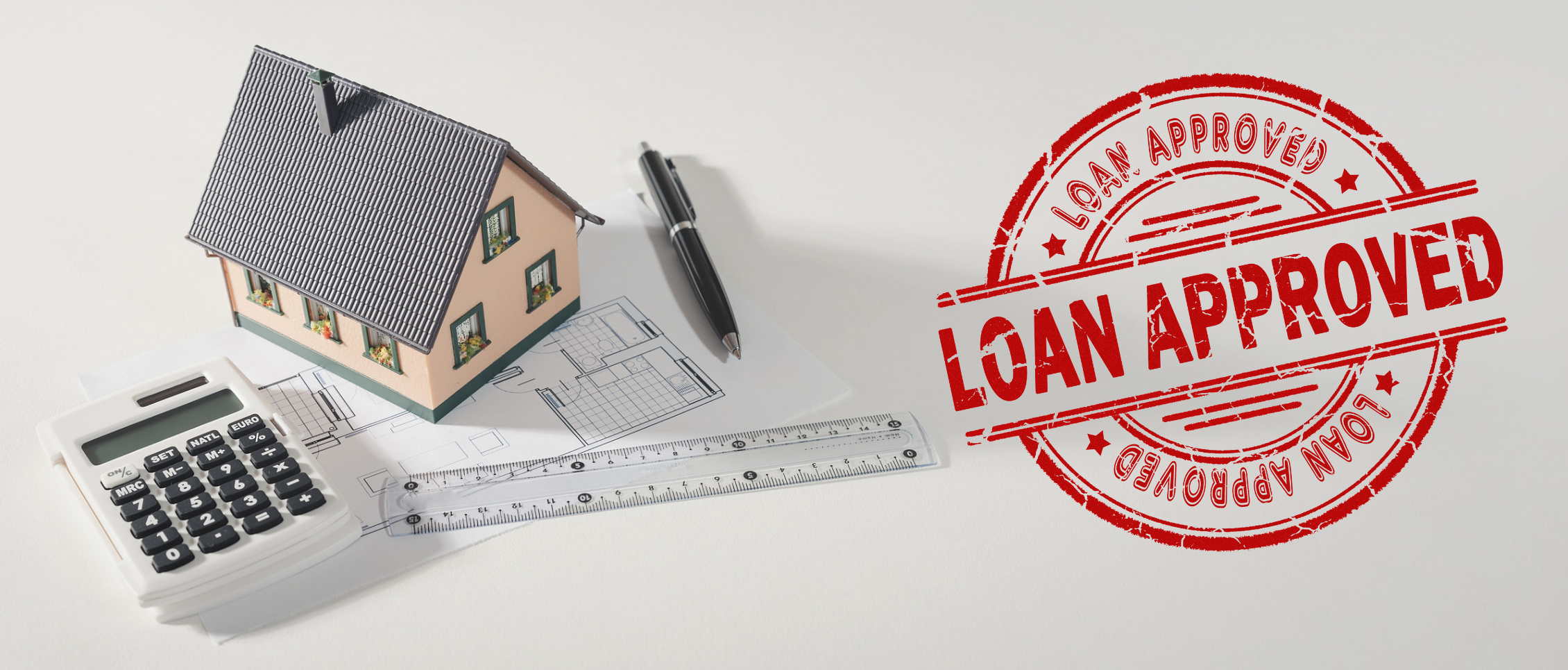
As the housing market faces rising interest rates and potential mortgage defaults, it’s crucial to understand the consequences of defaulting on your mortgage. From legal action to potential eviction, defaulting can have severe financial and personal repercussions. In this blog post, we’ll explore what happens when you default on your mortgage, the differences between foreclosure and power of sale, and strategies to prevent default. By understanding the risks and taking proactive measures, you can navigate challenging financial situations and protect your home.
Understanding Defaulting on Your Mortgage
Defaulting on your mortgage occurs when you violate the terms and conditions of your mortgage loan, such as missing a payment or failing to pay property taxes. After 30 days of missed payments, the lender will reach out to the homeowner, and late fees may apply. If consecutive payments are missed for 90 days, the mortgage is considered delinquent or in default.
Foreclosure vs. Power of Sale
Foreclosure and Power of Sale have key differences in terms of ownership and proceeds from the sale. In a foreclosure, the bank becomes the sole owner and the homeowner gets nothing from the sale. In a power of sale, the homeowner still owns the property, but the bank has the power to sell it to pay off debts. It’s important to understand the implications of each scenario if you find yourself facing default on your mortgage.
Delinquency vs. Default
Delinquency and default are related but separate concepts. Delinquency refers to mortgages in arrears for more than 30 days, while default refers to mortgages in default status. The delinquency rate for mortgages is 0.14%, which is less than half a per cent. Although the number of delinquent or defaulted mortgages is relatively low, concerns arise regarding mortgage rates and affordability.
Financial Consequences of Defaulting
Defaulting on your mortgage can lead to significant financial challenges. The increase in monthly payments can put a strain on your budget, requiring you to cut expenses in various areas like vacations and dining out. It’s essential to evaluate your financial situation and consider strategies to prevent default if you’re at risk.
Strategies to Prevent Default
If you’re facing the potential of a mortgage default, there are strategies you can try to prevent it. As early as possible, talk to a licensed mortgage agent, as time is of the essence. Note: Mortgage specialists who work in banks are salespeople who only sell the products of their institutions and are not licensed mortgage professionals. A licensed mortgage agent can help you come up with a plan involving institutions and products across the lending landscape to formulate the best plan for you. Keeping open communication with your agent is crucial to avoid delinquency and potential consequences.
Protecting Your Credit Score
Defaulting on your mortgage can significantly lower your credit score, making it difficult to refinance or obtain future loans. To protect your credit, it’s important to keep your bank in the loop if you’re unable to make payments and explore options to manage your mortgage. These options may include increasing the amortization period, refinancing for a new mortgage, or setting up a second mortgage or a secure line of credit.
Defaulting on your mortgage can have serious ramifications, including legal action and potential eviction. By understanding the consequences and taking proactive steps, you can navigate through financial challenges and protect your home. Remember, open communication with your bank and seeking professional advice are crucial in managing your mortgage effectively. Stay informed, be proactive, and protect your financial future.