Canadians are struggling to make ends meet amidst the strain of elevated interest rates. Many are concerned about the future due to the Bank of Canada’s decision to maintain rates. In this article, we will discuss the effects of high interest rates on households, the causes of rising stress levels, and the potential economic repercussions.
The Grim Reality of Food Banks’ Record Numbers
As household financial duress increases, an increasing number of Canadians are turning to food banks for assistance. According to a report from food banks Canada, consumers can anticipate Halloween candy price increases of over 9 percent annually. This emphasizes the widening gap between rising expenses and stagnant revenues.
Calls Made to CEOs: Pressure to Lower Prices
The chief executive officers of major grocery stores have been summoned back to Ottawa to present their strategies for lowering prices. As Canadians struggle to make ends meet, the government is determined to combat the escalating cost of living. A reduction in prices would alleviate some of the pressure on households, making it easier to manage day-to-day expenses.
The GM Strike Will Hurt the Economy
The protracted strike at General Motors is costing the company a staggering $200 million per week. This disruption in the automotive industry has far-reaching effects on Canada’s economy. It affects not only the livelihoods of GM employees but also the supply chain and consumer confidence as a whole.
High interest Rates: Source of Domestic Tension.
As a result of persistently elevated interest rates, an increasing number of households are experiencing financial strain. Many individuals are concerned about managing their mortgage payments and renewal obligations. This stress can have a domino effect, as reduced expenditure has the potential to precipitate a recession and exacerbate the economic downturn.
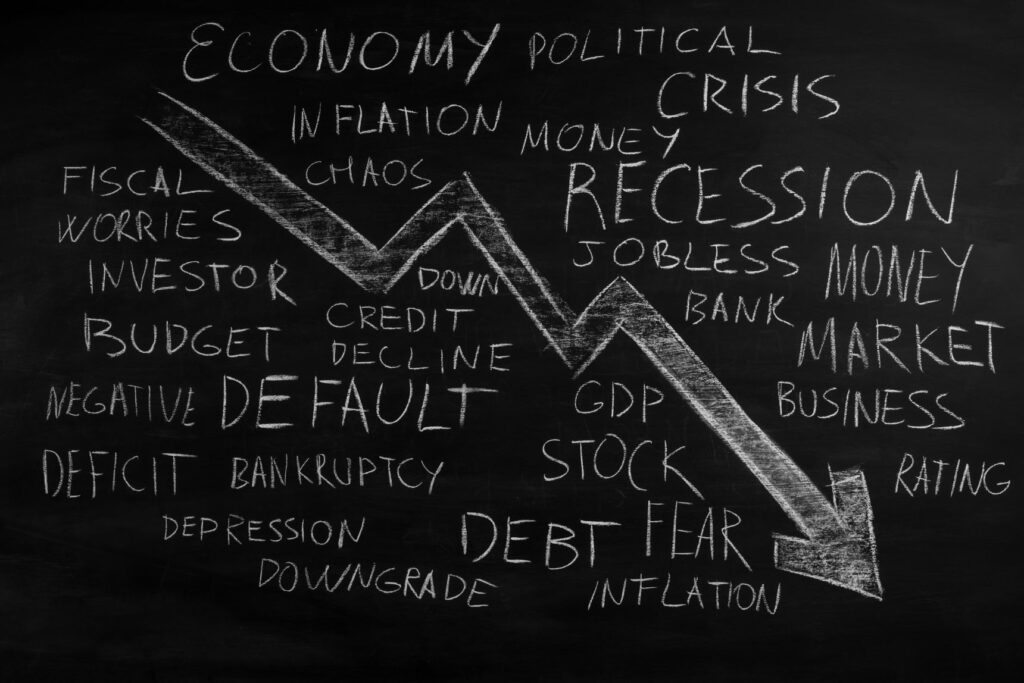
Low Consumer Confidence and Weak Investment in Business
Low consumer confidence and sluggish business investment are significant contributors to the current financial strain. As households tighten their budgets, their spending plummets, which hinders economic expansion. Moreover, the economy’s reliance on immigration for development indicates that it is not thriving organically but rather depends on external factors for sustenance.
Bank of Canada: Striking a Balance
The Bank of Canada faces the difficult challenge of making decisions that influence both the economy and households. While the possibility of increasing interest rates is on the menu, a misstep could have disastrous results. Increasing unemployment rates as a result of population growth further complicates decision-making.
Affordability Front: Assistance Required
The focus of fiscal revisions should be on housing and affordability in order to alleviate the financial burden on households. If assistance is provided in this area, the Bank of Canada would be able to reconsider raising interest rates, thereby preventing additional strain on households. The issue of affordability appears to hold the key to alleviating the ongoing tension.
The Future Holds Uncertain Times
Canadians are currently dealing with high interest rates and the resultant strain on their households. The impact on food bank usage, the summoning of CEOs, and the ongoing GM strike are all concrete indicators of the difficulties Canadian households confront. The economy’s reliance on immigration and the Bank of Canada’s delicate balancing act contribute to the complexity. It remains to be seen whether increased assistance on the affordability front will be sufficient to mitigate the rising levels of tension. However, all indications point to the fact that we are living in uncertain times, necessitating thoughtful deliberation and swift action.
The stress caused by elevated interest rates is a pressing concern for Canadians. Indicative of the effects of rising expenses and stagnant incomes are the alarming numbers of people utilizing food banks and the convening of CEOs. Furthermore, the ongoing GM strike and low consumer confidence worsen the situation. As the Bank of Canada navigates these obstacles, assistance on the affordability front has the potential to alleviate the strain on Canadian households. To resolve these problems and ensure a stable and prosperous future, decisive action is essential.