Wildfires in Canada are wreaking havoc on the lumber industry, with record-breaking fires burning 10 times the size of Toronto. The destruction of 4 million hectares of timber since June 6th, 2023 is having a significant impact on the wood-consuming industry. As a result, lumber prices are skyrocketing, causing concerns for the market and consumers alike.
Inaccessible Timber and Expensive Salvage Teams
Most of the timber affected by the wildfires is located in inaccessible areas, making it expensive and risky for salvage teams to operate. This has hindered the industry’s efforts to salvage usable wood, exacerbating supply shortages and driving up lumber prices.
Mill Shutdowns and Evacuated Towns
The wildfires have forced the shutdown of mills in evacuated towns, putting additional pressure on lumber prices. With the loss of production capacity, the supply of lumber is further constrained, leading to a surge of almost 10% in prices.
The Canadian Lumber Industry’s Dependency on the US Market
The US is the largest export market for the Canadian lumber industry. With the disruptions caused by the wildfires, the industry is grappling with meeting the demands of its biggest market. This has ripple effects on both sides of the border, as builders and consumers in the US also face higher prices and potential supply shortages.
Separate Futures Market and Cash Market
It is important to note that the futures market for lumber, traded on the Chicago Mercantile Exchange, is distinct from the cash market. The volatility in the futures market, driven by wildfire-related supply disruptions, can influence future lumber prices, making it a closely watched indicator for the industry.
The Impact of Record Wildfires on Lumber Prices in British Columbia
In British Columbia, where the wildfires have been particularly devastating, lumber prices have surged from $300 to $600. The dry conditions and persistent lack of rain in the BC interior, along with the forecast of thunderstorms in July and August, pose a continued threat of more wildfires. These factors have created supply shortages and uncertainty, pushing prices to unprecedented levels.
The Severe Fire Seasons in Alberta and Quebec
Alberta, Quebec, and the BC interior have experienced severe fire seasons, with Alberta suffering its worst fire season on record. These previous wildfires have already diminished the timber base, forcing the lumber industry to downsize. The loss of timber resources further exacerbates the current supply shortage and contributes to the surge in lumber prices.
Concerns about Air Quality and Future Implications
Record wildfires in Ontario have led to 269 fires burning across Northern Ontario, raising concerns about air quality. The impact of these fires extends beyond immediate disruptions in the lumber industry. The health and well-being of local communities, as well as the long-term consequences for the environment, are of significant concern.
The Effect of Beetle-Killed Lodgepole Pine on Lumber Prices
The lodgepole pine, killed by mountain pine beetles and wildfires, has become a major factor driving up lumber prices. The wood from beetle-killed trees remains merchantable for only 5 to 10 years before deterioration sets in. The standing dead timber left after wood deterioration becomes highly susceptible to fires, further reducing the available supply.
Consolidation and Closure of Sawmills
Continued consolidation in the industry, driven by shrinking timber resources and market pressures, has led to the closure of several sawmills. This trend is expected to continue, with the BC interior projected to see the permanent closure of four or five large sawmills. This consolidation further limits the industry’s capacity to meet the demand for lumber, contributing to the surge in prices.
Implications for the Housing Market
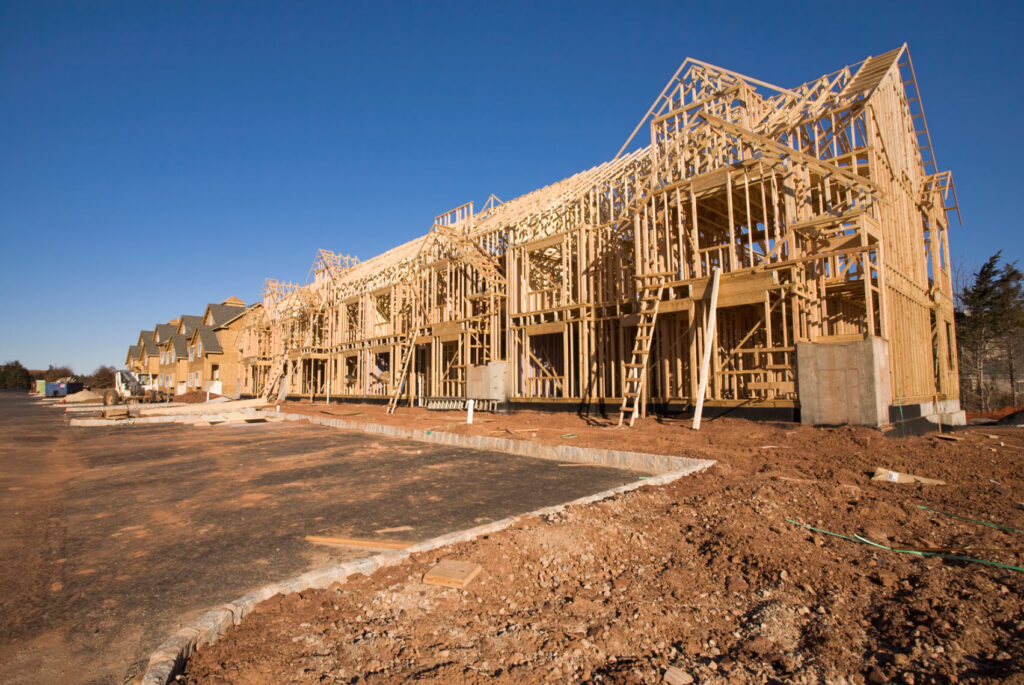
The surge in lumber prices has significant implications for the housing market. As lumber costs escalate, builders and homeowners are facing increased expenses when constructing or renovating houses. To alleviate this pressure, policymakers need to address zoning and cut red tape to facilitate the development of new housing. Additionally, with interest rates possibly peaking, there is hope for some relief in the housing market.
Conclusion:
The record wildfires in Canada are wreaking havoc on the lumber industry, leading to supply shortages and a surge in prices. The impact extends beyond the industry itself, affecting builders, consumers, and communities alike. As the situation continues to evolve, it is crucial for policymakers and stakeholders to work together to address the challenges and find long-term solutions. Only by doing so can we ensure a sustainable and resilient lumber industry.