(905) 441 0770 allen@allenehlert.com

Why a 3-Year Fixed Mortgage May be a Bad Choice in 2024

by | December 4, 2023

Why You Should Avoid Choosing a 3-Year Fixed Mortgage in 2024

Thinking of getting a three-year fixed mortgage in 2024? You might want to reconsider. While some people are tempted to time the market and assume that interest rates will go down, this strategy is risky and can lead to costly mistakes. In this blog post, we’ll explore why choosing a three-year fixed mortgage based on future interest rate expectations may not be a good idea.

Unreliable Market Timing

Timing the market is largely unreliable, even for experts. Trying to predict interest rate movements is a gamble that can go either way. In recent years, expectations of interest rate declines haven’t aligned with reality. It’s best to avoid making decisions based on uncertain market predictions.

Inverted Yield Curve and Higher Rates

The inverted yield curve suggests a possible recession, which could lead to higher interest rates. Currently, short-term interest rates are higher than longer-term rates, resulting in higher prices for shorter-term mortgages. Opting for a three-year fixed mortgage might mean paying a higher interest rate in the long run.

Low Payout Penalties and Flexibility

Consider choosing a lender that offers low payout penalties, allowing you to switch to a different lender if interest rates go down. This gives you the flexibility to take advantage of potentially lower rates without being locked into a higher rate for three years.
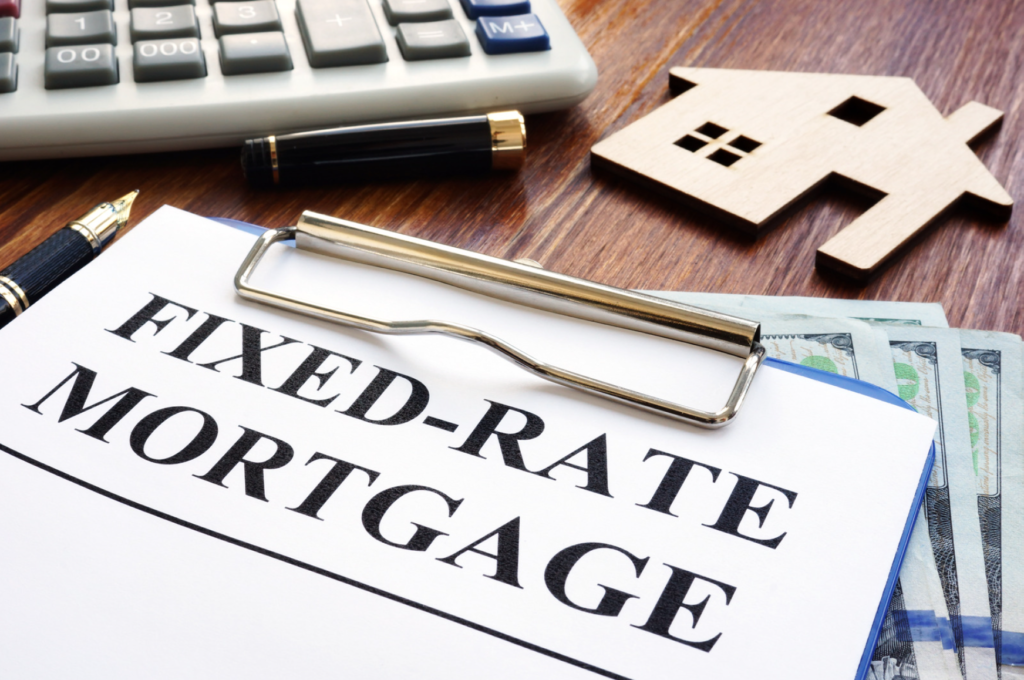
Fixed Rate Mortgages

Focus on Lowest Interest Rate

When choosing a mortgage, focus on getting the lowest interest rate available at the time. Rather than banking on rates dropping in three years, prioritize the present. Currently, a five-year fixed mortgage is a better option compared to a variable rate or a three-year fixed mortgage.

Protecting Against Interest Rate Increases

Opting for a three-year fixed mortgage can provide protection against potential interest rate increases. If rates do go up or the economy enters a recession, you’ll have the security of a fixed rate for the initial three years. This can offer peace of mind and stability for budgeting.

Consider Professional Advice

Instead of making buying decisions based on future interest rate expectations, it’s crucial to seek professional advice. An expert can guide you through the mortgage options available and help you make an informed decision. Avoid unfamiliar options and rely on the expertise of a mortgage professional.

Choosing a three-year fixed mortgage in 2024 based on the expectation of interest rates declining is not advisable. Market timing is unreliable, and there are factors, such as an inverted yield curve and potential interest rate increases, that may work against you. Focus on the current lowest interest rates and seek professional advice to make the best decision for your financial situation.

Mortgage and Money Radio Logo
Allen Ehlert

Allen Ehlert

Allen Ehlert is a licensed mortgage agent. He has four university degrees, including two Masters degrees, and specializes in real estate finance, development, and investing. Allen Ehlert has decades of independent consulting experience for companies and governments, including the Ontario Real Estate Association, Deloitte, City of Toronto, Enbridge, and the Ministry of Finance.

Emergency Fund

Mortgage Term: Emergency Fund

Understand the importance of building a robust emergency fund, its key characteristics and how you should prioritize your expenditures.

Living Inheritance

Leveraging a Living Inheritance

A "living inheritance" is a financial strategy that has gained popularity among older generations looking to support their children's futures while still alive. This approach involves transferring wealth to children or grandchildren during the parents' or...
Real Estate Inflation

10 Ways Inflation Impact Real estate Prices

Inflation exerts a multifaceted influence on the real estate market, affecting everything from construction costs to investment strategies. Allow me to provide a comprehensive overview that explores the various ways in which inflation impacts real estate prices,...
Real Estate is Expensive

10 Reasons Real Estate is So Expensive

Real estate prices are influenced by a variety of factors, making it expensive in many places. This is by no means an exhaustive list, and the cost for different kinds of real estate in different places is always unique to that location. Further, in real estate,...
Housing Market and Lower Rates

The Housing Market and The Power of Lower Rates

Lower interest rates are crucial to reviving the housing market. Learn why lower rates are essential and how they can stimulate demand.

Commuting Congestion

Price of Commuting: The Daily Journey into Toronto

Real Estate > Personal Finance > Mortgage In the golden light of dawn, while much of Ontario still slumbers, thousands of commuters from suburbs like Whitby and Oakville embark on their daily pilgrimage to Toronto. This journey, often romanticized as a quest for...
Canada Child Benefit and Your Mortgage

Canada Child Benefit and Your Mortgage

Raising a family in Canada comes with significant financial responsibilities, from childcare costs to daily household expenses. For many families, the Canada Child Benefit (CCB) serves as a crucial financial lifeline, providing tax-free monthly payments to support...
Assets Supporting Mortgage Application

How Assets Support a Mortgage

Securing a mortgage in Canada has long been an income-driven process. Lenders scrutinize pay stubs, tax returns, and employment history to determine whether a borrower qualifies. However, in today’s evolving financial landscape, assets play an increasingly significant...
Understanding Alternative Lenders

Understanding Alternative Lenders

Understanding Alternative Lenders: Often called B lending, it gives a regulated institutional lender room to understand a non-standard income pattern, a bruised but explainable credit history, a rental portfolio, or another wrinkle that prime policy may not accept.

Understanding Debt Service Ratios

Understanding Debt Service Ratios GDS/TDS

Understanding Debt Service Rations GDS/TDS: When you hear that your mortgage application is ‘a little tight on ratios,’ it can sound like lender-speak for a hard no. It is not quite that simple. Canadian lenders use two percentages – Gross Debt Service, or GDS, and Total Debt Service, or TDS – to compare your gross income with the payments you are expected to carry.