
Real Estate Articles
Your Home, Your Life!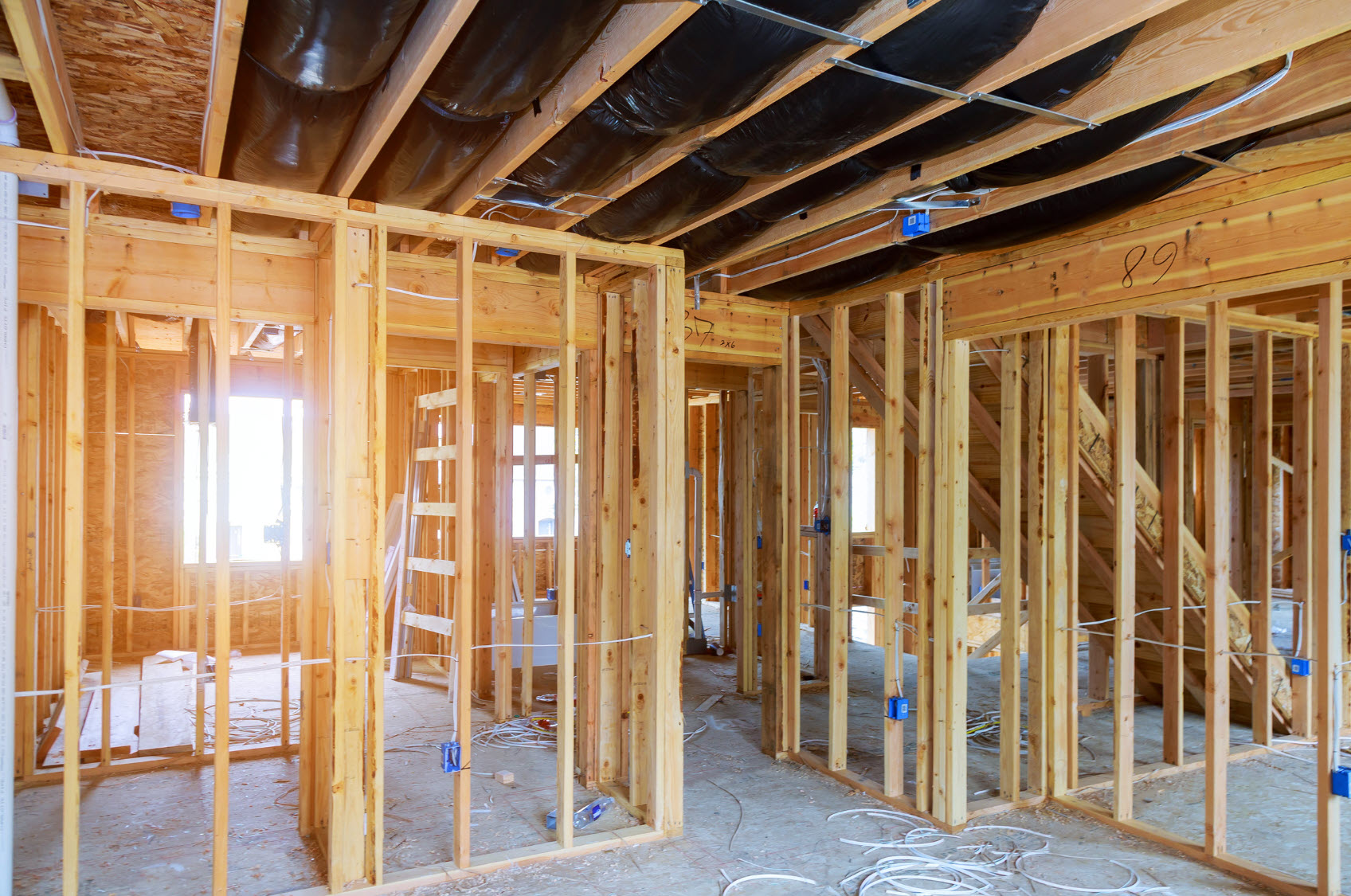








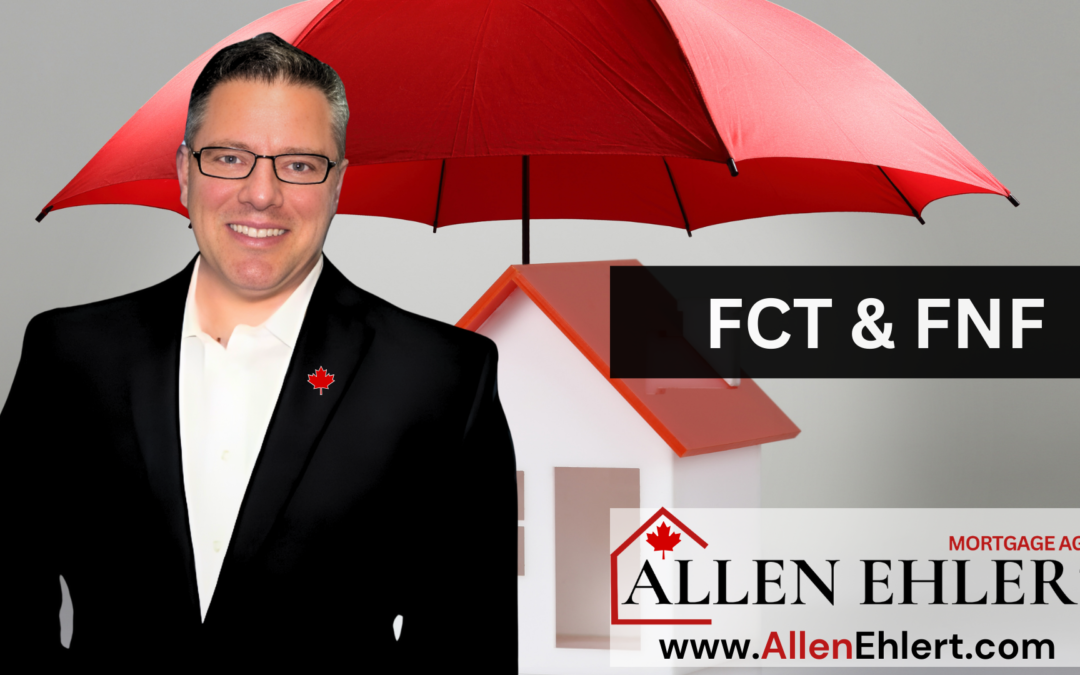
FNF & FCT: Lender’s Title Insurance
In the intricate world of mortgage financing, ensuring the security and legitimacy of property transactions is paramount. Fidelity National Financial (FNF) and First Canadian Title (FCT) play critical roles in protecting lenders, homebuyers, and financial institutions...

Non-Permanent Residents Can Buy Homes
If you’re living in Canada on a work permit or study permit and wondering if homeownership is even on the table, I’ve got good news: yes, you absolutely can buy a home. You don’t have to wait until you’ve got your Permanent Resident (PR) card in hand. But — and this is a big but — there are a few important things you need to understand about how lenders look at non-permanent residents (NPRs), how mortgages work for you, and what’s required to make it happen.

Good Fences Make Good Neighbours
Fences and Neighbours: Replacing a fence sounds simple enough, right? Two neighbours, a bit of lumber, a weekend, and maybe a cooler of cold drinks. But once you start talking property lines, costs, and local by-laws, things can get a little prickly—especially if one neighbour wants a designer cedar wall while the other’s fine with chain link.

Getting a Land Survey
Buying, selling, or upgrading a home is one of those times when small details can make or break the experience. You can renovate kitchens, paint walls, and swap out windows—but none of it matters much if you don’t actually know where your land ends and your neighbour’s begins. That’s where a land survey steps in. It’s the unsung hero of smart property ownership—a document that can quietly protect your investment, prevent disputes, and give everyone peace of mind.
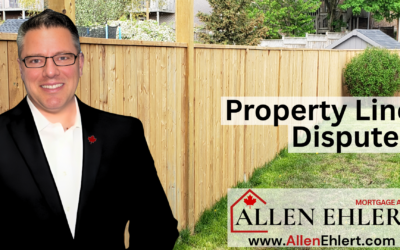
Handling Property Line Disputes
Property Line: Few things can sour a cup of morning coffee faster than a knock at the door and your neighbour saying, “You’re on my property.” Whether it’s a fence, a shed, or even a few inches of driveway, property line disputes are some of the most common—and emotionally charged—conflicts between homeowners. They don’t just stir up tension; they can affect your property’s value, your enjoyment of your home, and even future financing or resale.

The Panic of Falling Home Prices
Build more houses, prices drop, everyone wins. But here’s the kicker—prices are now dropping in many markets, and instead of celebration, there’s panic. Builders are pausing projects, policymakers are scrambling, realtors have no business, and homeowners are worrying about their equity.

Why Seniors Don’t Downsize
For decades, planners and real estate experts figured seniors would sell their big family homes, scoop up a condo, and ride off into a care-free retirement. But that’s not happening. Instead, most seniors are staying put—keeping their homes and choosing comfort, familiarity, and independence over the stress of moving.

When Your Walls Go Chalky
Have you ever walked into a room that was painted years ago, ran your hand along the wall, and ended up with a chalky white residue on your fingers? It’s one of those home maintenance mysteries that leaves people scratching their heads. “Did someone use cheap paint?” “Is it mold?”

Rolling Out the Red Carpet for Foreign Buyers
There’s a new conversation heating up in real estate circles: What if we just opened the doors wide and invited foreign investors to buy up Canadian homes? For some in the home building industry, this is being pitched as a solution to sluggish sales—especially in the condo sector.
Commercial Lease Weaknesses
Weak Commercial Lease: When it comes to commercial real estate, you can have a great property, solid tenants, and even a healthy rent roll — but if your leases have hidden landmines, your financing could fall apart faster than you can say “commitment letter.”

Appraisal Nightmare: Falling Home Prices
Explore how new construction impacts your home’s value and what to do if the appraisal falls short in the current market.

Commercial Leases and Mortgages
Commercial Lease and Mortgage: When it comes to commercial real estate, most people think of two separate worlds — the lease and the loan. One defines how a business occupies a property; the other defines how the property is financed. But here’s the truth that many overlook: these two worlds are deeply intertwined.

Don’t Borrow to Buy!!!
RRSP Loans: You’ve probably seen the video clips on social media: someone cheerfully explaining how you can “stop using your own money” to buy a home. The idea sounds clever — borrow up to $50,000 from the bank, dump it into your RRSP, claim a juicy tax refund, then pull it back out 90 days later under the Home Buyers’ Plan (HBP) for your down payment. It’s marketed as a hack to get into the market faster, maybe even with “free money.”

Types of Commercial Leases
Commercial Leases: When you’re diving into the world of commercial real estate — whether you’re a business owner looking for the perfect storefront or a realtor helping clients secure that next deal — the lease structure can make all the difference. Too often, clients focus solely on location, square footage, or price, while overlooking how the type of lease can impact their cash flow, responsibilities, and even financing options.
What’s Fair Market Rent?
If you’ve ever tried to use rental income — from a basement apartment, duplex, or investment property — to help you qualify for a mortgage, you’ve probably heard the term “Fair Market Rent.” It sounds official because it is. But it’s also one of those terms that can catch people off guard if they’re not properly prepared.
The Depreciating Canadian Dollar
Depreciating Dollar. Let’s talk about something that’s been quietly eating away at Canadians’ financial future — purchasing power. Sure, your income might rise over time, and the news might say inflation’s “under control.” But if you’ve ever wondered why your parents could buy a house on one income while you’re grinding just to save a down payment, the answer isn’t as simple as the Consumer Price Index (CPI).
Featured Publications
Articles
- Extended Amortizations and Hypothetical Calculations
Office of the Superintendent of Financial Institutions (OSFI) - Minimum Qualifying Rate for Uninsured Mortgages
Office of the Superintendent of Financial Institutions (OSFI) - Residential Mortgage Underwriting Practices and Procedures
Office of the Superintendent of Financial Institutions (OSFI) - Guideline on Existing Consumer Mortgage Loans in Exceptional Circumstances Financial Consumer Agency of Canada
Book: “The Program”
- Part 1 – Building Your Down Payment
- Part 2 – Mortgage Payoff Strategies
- Part 3 – Building Wealth Through Real Estate