When the cost-of-living spikes, many workers can rely on salary increases to keep pace, while retired public servants with indexed pensions may also be somewhat protected. Retirees with pensions that aren’t inflation-adjusted have more cause for concern; however, if they have significant home equity, there are options available to help cushion the impact of inflation.
Meet Judith
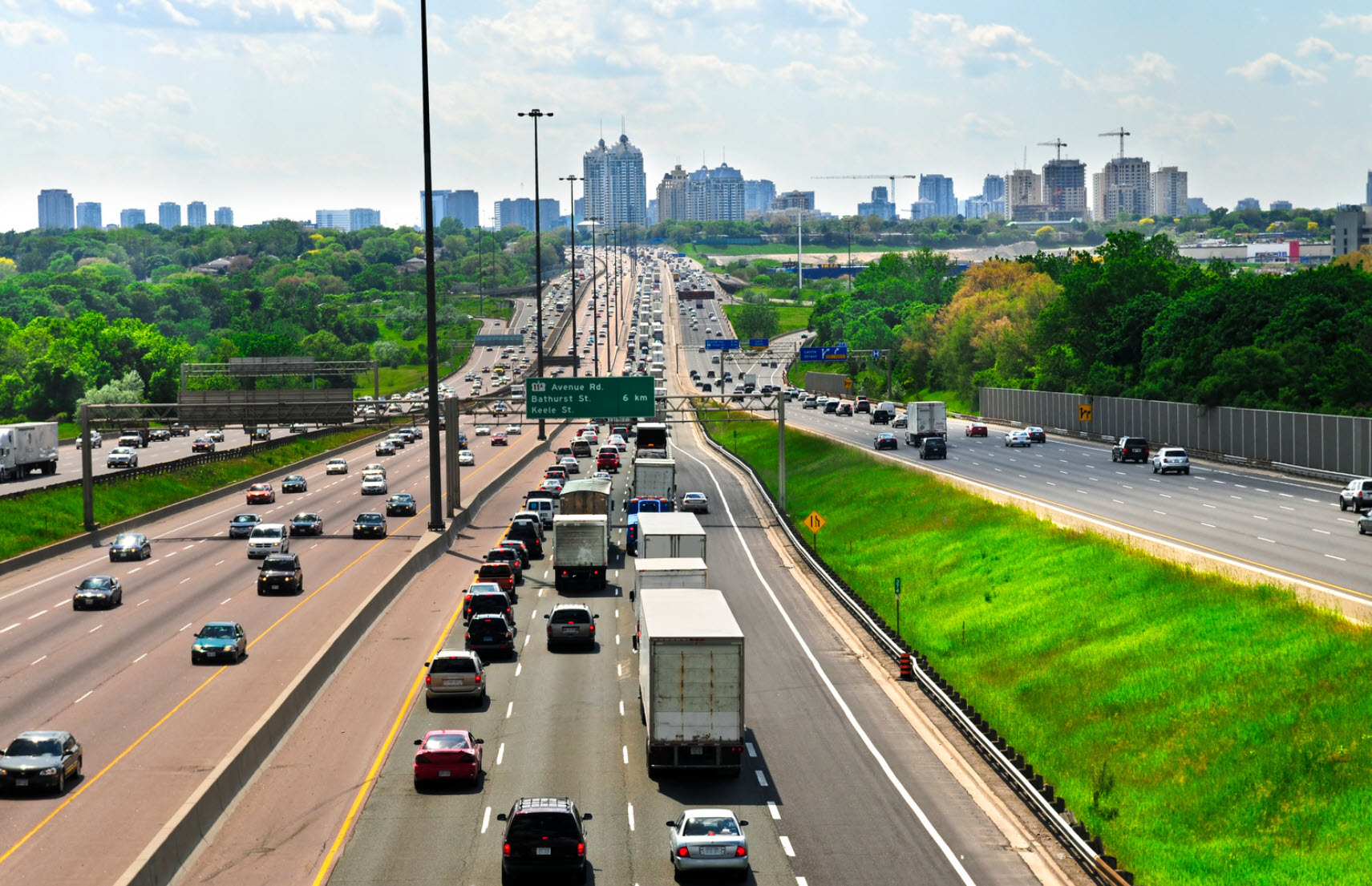
Consider Judith, who is 75 years old and lives on Steeles Avenue in North York, Toronto. She’s lived in her home for over 40 years, and she and her late husband raised their family there. Judith is walking distance from Yonge Street, Toronto’s primary north-south thoroughfare and a main public transit route. Given the location, she figures her older home is worth about $2 million. There’s also been speculation that there may someday be approval for condo development, which could cause the land value to skyrocket. Judith is skeptical she’ll be around long enough to see it happen, but there is potential, nonetheless.

Judith receives the maximum CPP pension of about $1,300 per month (a combination of her own retirement pension and a survivor pension for her late husband) and gets nearly the maximum OAS pension—another $700 or so each month. That equates to about $2,000 of monthly pension income from the federal government. She also has a small defined benefit pension from the UK government that fluctuates year to year based on the exchange rate.
Beyond that, she’s been drawing down a savings account from a modest inheritance from her parents and a small life insurance policy paid out when her husband passed away a few years ago.
Financial options
Judith has a credit card with a $10,000 limit, but worries once her savings are depleted, that won’t last long. She’s hesitant to move because of the potential increase in her home’s value, but more importantly, she likes where she lives—she enjoys her garden and can walk to her shopping and medical appointments.
Her son told her she could borrow up to 80% of her home value, so she went to her bank with high hopes. However, based on her limited income, they were only willing to offer her a credit limit of $100,000.
Despite being a multi-millionaire on paper, Judith fears she may not be able to stay in her home long. Given the rising cost-of-living, she estimates she’ll run out of credit before age 80. Her parents both lived into their 90s, and Judith is active and healthy, so suspects she could live another 20 years.
If Judith sold her house and moved into an apartment or a retirement home, she could stop worrying about money. Selling her home for $2 million and investing it into GICs at current 5% interest rates could give her over $120,000 of income per year, or approximately $10,000 per month. Even after about 25% tax, she would have plenty to cover her monthly costs.
That said, she loves her garden and independence, and since her kids are financially independent, they aren’t counting on an inheritance from her. Regardless, she figures her money is hers to spend however she likes.
One of her friends told her about reverse mortgages. Judith’s intrigued, but after doing some online research, she’s hesitant due to the interest costs and the possibility of depleting a future inheritance.
Read More:
- Struggling Financially as a Senior
- Reverse Mortgages and the Affluent Retiree
- Reverse Mortgage to a Second Dream Home
- Reverse Mortgage: Cushion Against Inflation
- Funding Your Retirement: Reverse Mortgage
The reverse mortgage solution
Upon reflection, Judith decides a reverse mortgage might be a good fit for her—but not yet. She can use the $100,000 secured line of credit from the bank for now, but if she wants to stay in her home, eventually a reverse mortgage might be the best borrowing option. She’s willing to pay interest for the luxury, and besides, she’s hopeful her home value will rise, tax-free, despite the interest she may pay.
More importantly, depleting the value of her estate seems unfounded. If she sells her home and rents, she’ll be spending her children’s inheritance either way. Her kids are supportive of her doing what she wants, which is to maintain the status quo.
Judith thinks a lot about what she would want to happen if her health deteriorated. Her parents both died at home, but she wasn’t working at the time, so was able to provide them with general assistance and light long-term care. Judith’s children work, have kids, and live far enough away that them frequently coming to visit to help her seems unlikely. She’d rather not count on help from her kids, preferring to pay for her costs herself.
A reverse mortgage could provide her with roughly $900,000 that could be accessed all at once, paid as scheduled monthly payments like a pension, or borrowed on an as-needed basis like a line of credit. She may not need to borrow much to supplement her spending in her 80s, but having access to a large part of her home equity appeals to her. Plus, if a developer does buy along her street to make way for condos, her home value may appreciate significantly.
A reverse mortgage can be a flexible tool for a senior to offset the rising cost-of-living, to borrow more than a bank may be willing to lend, and to provide emergency funds for long-term care. Judith’s story and potential solution apply to countless Canadians across the country.
A reverse mortgage may not be right for everyone, but it can be a great option for many. While doing your retirement financial planning, and before downsizing, renting, or moving into a retirement home, seniors and their families should consult Allen Ehlert to discuss if a reverse mortgage could be a direction you should consider and which financial institutions offer the best solution for you.