If you have a first mortgage, can you just go out and get a second mortgage? The short answer is not always. While it is possible to obtain a second mortgage if you already have a first mortgage, several factors must align for you to qualify. You cannot simply go and get a second mortgage without ensuring that both your existing lender and a potential second mortgage lender allow it.
Does Your First Mortgage Lender Allow a Second Mortgage?
Do You Have Enough Home Equity to Qualify?
Do You Meet the Lender’s Qualification Requirements?
Are You Choosing the Right Type of Second Mortgage?
Can You Afford the Second Mortgage Payments?
Does Your First Mortgage Lender Allow a Second Mortgage?
Before applying for a second mortgage, you need to review your first mortgage agreement to check for any restrictions. Some lenders include clauses that prohibit taking out additional financing without their consent.
- Big Banks & Monoline Lenders: Many require approval before allowing a second mortgage. Some have a due-on-encumbrance clause, meaning the full mortgage balance could become immediately due if a second mortgage is added.
- Insured Mortgages (CMHC, Sagen, Canada Guaranty): If your first mortgage is insured, second mortgages are not permitted behind them.
- Private & Alternative Lenders: Some allow second mortgages but may charge higher rates or require strong credit and income.
Solution: Contact your first mortgage lender to verify whether a second mortgage is allowed.
Do You Have Enough Home Equity to Qualify?
A second mortgage is secured against home equity. Lenders typically require that the total loan-to-value (LTV) after the second mortgage does not exceed 80% of the property’s value. If you exceed 80% LTV, you now have a high ratio mortgage that requires, by law, mortgage default insurance. Providers of mortgage default insurance do not allow second mortgages.
How to Calculate Your Available Home Equity:
Home Value – First Mortgage Balance = Available Equity
Example:
- Home Value: $600,000
- First Mortgage Balance: $350,000
- Maximum Allowable LTV: 80% = $480,000
- Maximum Second Mortgage Amount: $480,000 – $350,000 = $130,000
If your total mortgage debt exceeds 80% of the home’s value, many lenders will not approve a second mortgage. However, some private lenders may allow higher LTVs, sometimes up to 90%, but at significantly higher interest rates.
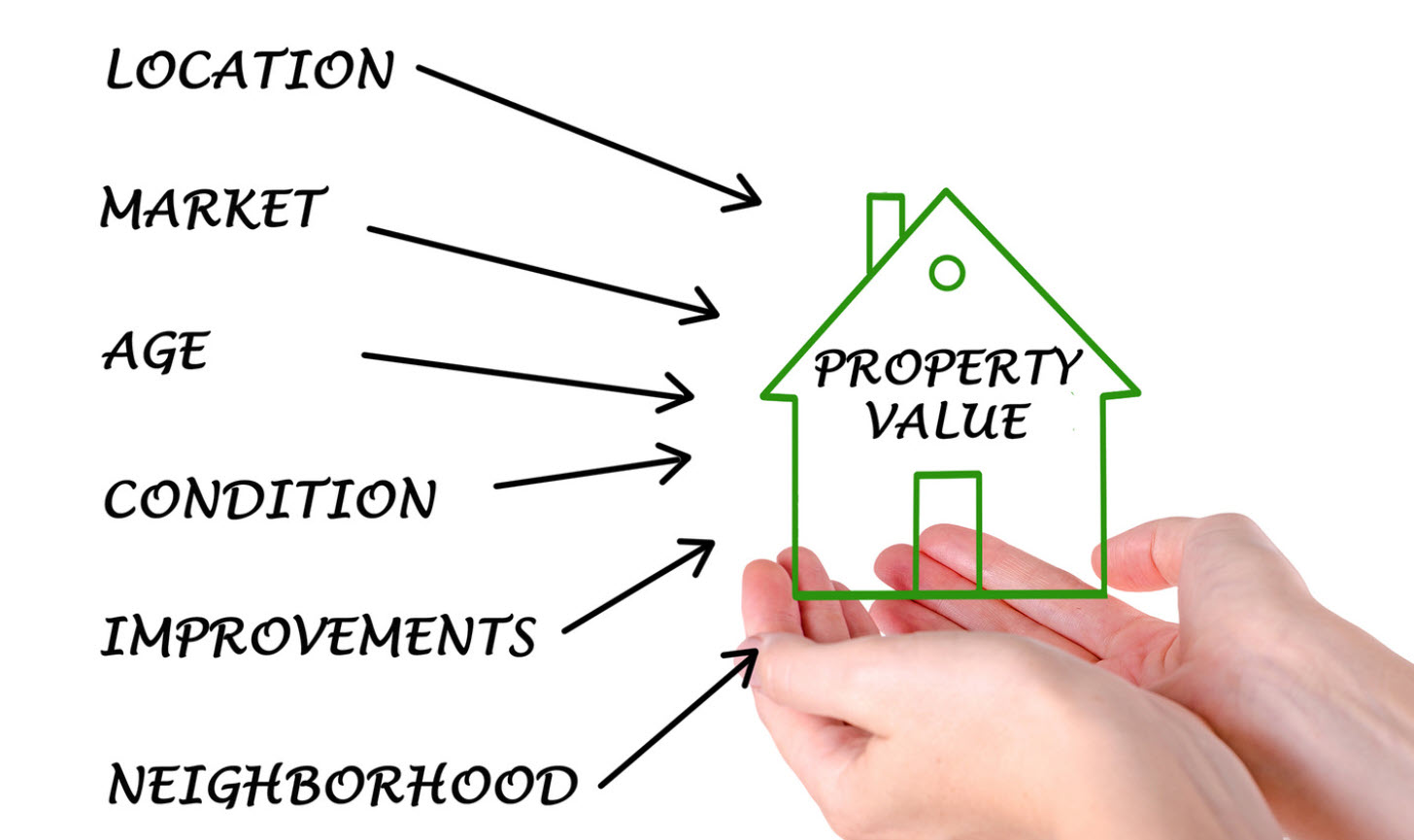
Solution: Get a property appraisal to determine your home’s current market value.
Do You Meet the Lender’s Qualification Requirements?
Even if your first mortgage lender allows a second mortgage and you have sufficient home equity, you still need to qualify for the second mortgage based on financial and credit criteria.
Lenders assess:
- Credit Score: Higher scores (typically 650+) qualify for lower rates. Private lenders may accept scores below 600, but at much higher rates.
- Debt-to-Income Ratio (TDS/GDS): Lenders evaluate your total monthly debt obligations compared to your income.
- Income Stability: Proof of income (pay stubs, tax returns, Notice of Assessments) is required.
- Property Condition: The home must be in good condition and not declining in value.
Solution: Prepare your financial documents before applying.
Are You Choosing the Right Type of Second Mortgage?
Depending on your financial needs, you may choose:
- Home Equity Line of Credit (HELOC): A revolving credit line with lower interest rates.
- Fixed-Rate Second Mortgage: A lump sum loan, repaid over a set term.
- Private Second Mortgage: A high-interest loan with fewer qualification requirements.
Each option has different approval criteria and terms.
Solution: Compare lenders to determine the best option for your financial situation.
Can You Afford the Second Mortgage Payments?
A second mortgage means another monthly payment on top of your first mortgage. Before taking one, ensure you can afford the additional financial burden.
Example: Monthly Payment Impact
- First Mortgage: $1,800/month
- New Second Mortgage Payment: $600/month
- Total Housing Cost: $2,400/month
If your income is already stretched, adding another loan could increase your risk of financial hardship or Power of Sale.
Solution: Use a mortgage calculator to estimate your new total payments.
READ MORE:
Understanding Subordination Agreements
Why Lenders Don’t Like Seconds
Summary
Can You Just Get a Second Mortgage?
No, you cannot get a second mortgage without meeting lender conditions.
To successfully obtain a second mortgage:
- Confirm with your first mortgage lender that it is allowed.
- Check your home equity to ensure you qualify.
- Meet lender qualifications (credit, income, debt ratio).
- Choose the right mortgage type for your needs.
- Ensure you can afford the additional payments.
If all these factors align, then yes, you can get a second mortgage behind your first.