Good credit is an essential part of adult life. It directly impacts your ability to borrow money, secure a home, and even obtain employment. A strong credit score increases your chances of approval for mortgages, car loans, and other forms of credit at a lower interest rate. Overall, good credit is a key component of financial stability and can open doors to better financial opportunities.
But what if you have bad credit? How can you rebuild it?
One way is to rebuild your credit using credit cards. There are several credit card options that are relatively easier to get approved for, even if your credit score is low or you’re starting to rebuild your credit.
Here are some of the most accessible types of credit cards for this purpose:
Low-Credit or No-Credit Credit Cards

Secured Credit Cards
Secured credit cards are often the best option for rebuilding credit. These cards require a security deposit, which typically acts as your credit limit. Because the deposit reduces the lender’s risk, secured credit cards are easier to obtain.
Some Examples include:
- Home Trust Secured Visa
- Capital One Guaranteed Secured Mastercard
Home Trust Secured Visa: This card requires a minimum deposit of $500, and reports to the credit bureaus, helping you rebuild your credit.
Capital One Guaranteed Secured Mastercard: It requires a deposit of $75, $200, or $300, depending on your creditworthiness.
Strategies
Secured credit cards are often the most reliable way to rebuild credit because they are easier to obtain and directly contribute to your credit history. Here are some strategies to follow to make the best use of secured credit cards to rebuild your credit.
First Strategy: Make Small Purchases Regularly
Use the card for small, manageable expenses that you can pay off in full each month, like groceries or a recurring subscription.
Charge no more than 20-30% of your credit limit to maintain a low credit utilization ratio, which positively impacts your credit score.
Second Strategy: Always Pay On Time
Payment history is the most significant factor in your credit score, accounting for about 35% of the score.
Help yourself by setting up automatic payments or reminders to ensure you never miss a payment. Pay at least the minimum balance, but paying in full is ideal to avoid interest charges.
Third Strategy: Keep the Account Open and Active
The length of your credit history also affects your score.
Continue using the secured card responsibly for an extended period, even if you’re approved for an unsecured card later. This adds a positive history to your credit report.
Low-Credit or No-Credit Credit Cards
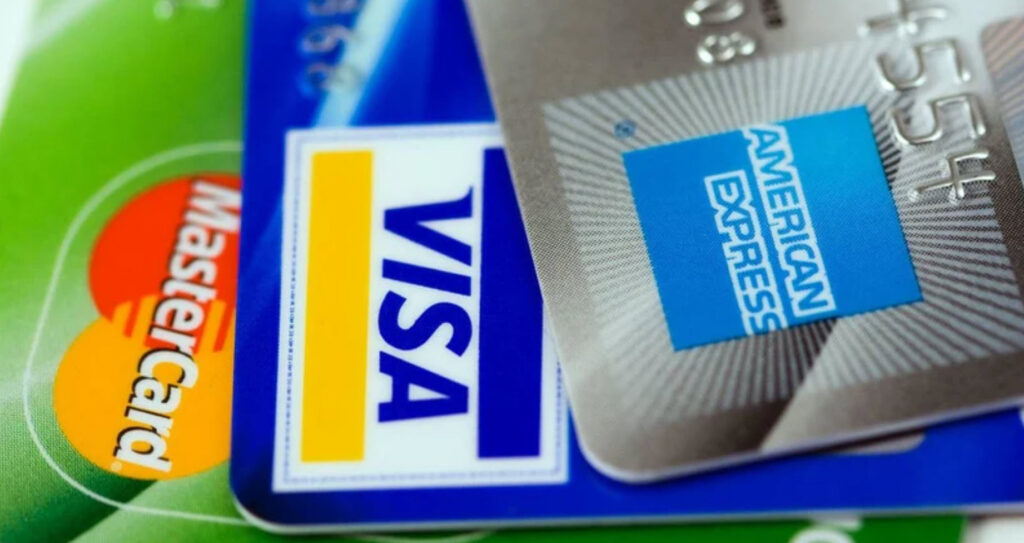
Low credit or no credit credit cards are unsecured credit cards designed specifically for people with poor or no credit history. They typically have lower credit limits and higher interest rates, but they are more accessible than standard credit cards.
Some Examples include:
Capital One Low Rate Guaranteed Mastercard: This card is designed for people with less-than-perfect credit and offers a relatively low interest rate.
Neo Secured Credit Card: Although secured, it provides access to a credit-building platform and rewards, including an app you can use to monitor your credit score with real-time data from TransUnion.
Strategies
Low-credit or no-credit credit cards often have higher interest rates and lower limits, so careful management is key.
First Strategy: Avoid Carrying a Balance
High interest rates can make carrying a balance expensive and can increase your debt load.
Only charge what you can pay off in full each month to avoid paying interest. This shows lenders you can manage credit responsibly.
Second Strategy: Request Credit Limit Increases Gradually
A higher credit limit with the same spending level can lower your credit utilization ratio which improves your credit score.
After several months of on-time payments, consider asking for a credit limit increase. Only do this if you’re confident you won’t be tempted to overspend.
Store Credit Cards
Some retail stores offer credit cards that are easier to qualify for than standard bank-issued cards. These cards can only be used at the issuing store or affiliated stores, but they still report to credit bureaus and can help rebuild credit.
Some Examples include:
- PC Financial Mastercard
- Canadian Tire Triangle Mastercard
PC Financial Mastercard: Easy to get approved for and can be used anywhere that Mastercard is accepted, plus you earn PC Optimum points.
Canadian Tire Triangle Mastercard: Relatively easy to obtain and can be used at Canadian Tire and other retailers that accept Mastercard.
Strategies
Store cards can be a useful tool for rebuilding credit if used carefully.
First Strategy: Use Store Cards Sparingly
Store cards often have high interest rates and can tempt you to overspend.
Use the card for occasional purchases that you would make anyway, like essentials, and pay it off in full immediately.
Second Strategy: Leverage Rewards or Discounts
Many store cards offer rewards or discounts that can benefit you if used wisely.
Use the card for purchases where you can maximize rewards or discounts, then immediately pay off the balance to avoid interest.
Prepaid Credit Cards (for building budgeting habits, not credit)
While not directly useful for building credit, prepaid credit cards can help you manage your spending as you work on rebuilding your credit. They don’t report to credit bureaus, so they won’t improve your credit score, but they can be a helpful tool for managing finances.
You load prepaid credit cards in advance, and you only spend the amount of money that has been preloaded, similar to how a debit card works.
Prepaid cards do not involve borrowing money from a credit line. Therefore, there is no credit to repay, and you won’t incur any interest charges.
Since there’s no credit component, prepaid cards do not help you build or rebuild your credit score.
However, prepaid cards can be useful for budgeting because they limit spending to the amount loaded onto the card. Further, when travelling, they can be a safe alternative to carrying cash.
You should know that some prepaid cards come with fees for purchases, monthly maintenance, and reloading, so be sure to read the terms and conditions.
Use a prepaid credit card as a tool to start helping you develop good habits and make you better at spending your money.
Also Read:
Using Your Credit Card to Build Wealth
Credit Card Rewards. Who Pays?
Credit Score and Your Mortgage
General Tips and Tactics
Regardless of the card type, these strategies can help maximize your credit-rebuilding efforts:
- Monitor Your Credit Report Regularly
- Keep Credit Utilization Low
- Avoid Opening Too Many Accounts
- Graduate to Better Credit Products
- Plan for the Long Term
Monitor Your Credit Report Regularly
Keep track of your progress by checking your credit report and score regularly.
Tactic: Use free services like Credit Karma or Borrowell to monitor your credit score and report. Look for improvements and any errors that need to be disputed.
Keep Credit Utilization Low
Aim to use less than 30% of your available credit at any time.
If you have multiple cards, spread out your spending to keep utilization low on each card.
Avoid Opening Too Many Accounts
Multiple credit inquiries in a short period can negatively impact your score.
Space out credit applications and focus on building a solid history with one or two cards before applying for more.
Graduate to Better Credit Products
As your credit score improves, you can transition to credit cards with better terms (lower interest rates, higher rewards).
Once you qualify, consider applying for an unsecured card with better benefits and gradually shift your spending to this new card while maintaining responsible habits.
Plan for the Long Term
Rebuilding credit is a marathon, not a sprint.
Be patient and consistent. It can take several months to see significant improvements in your credit score, but responsible use of credit will lead to positive changes over time.
Summary
By applying these strategies and tactics, you can effectively use credit cards to rebuild your credit score in Canada. Responsible credit use, combined with consistent monitoring, will set you on the path to a stronger credit profile.