As a licensed mortgage agent who works with a wide variety of homebuyers, investors, and homeowners looking to renovate or expand, I regularly introduce clients to an often misunderstood lending solution: construction financing. Whether you’re looking to build a home from the ground up, add a legal secondary suite, or undertake a major renovation, understanding how construction financing works can make or break your project’s success. In this article, I’ll walk you through what construction financing is, who offers it, why it’s not widely available, and why—despite its complexity—it remains one of the most strategic tools in real estate financing today.
What Is Construction Financing?
What Kind of Financing Is This?
Who Offers Construction Financing—and Why So Few?
Why Would Someone Choose Construction Financing?
What Is Construction Financing?
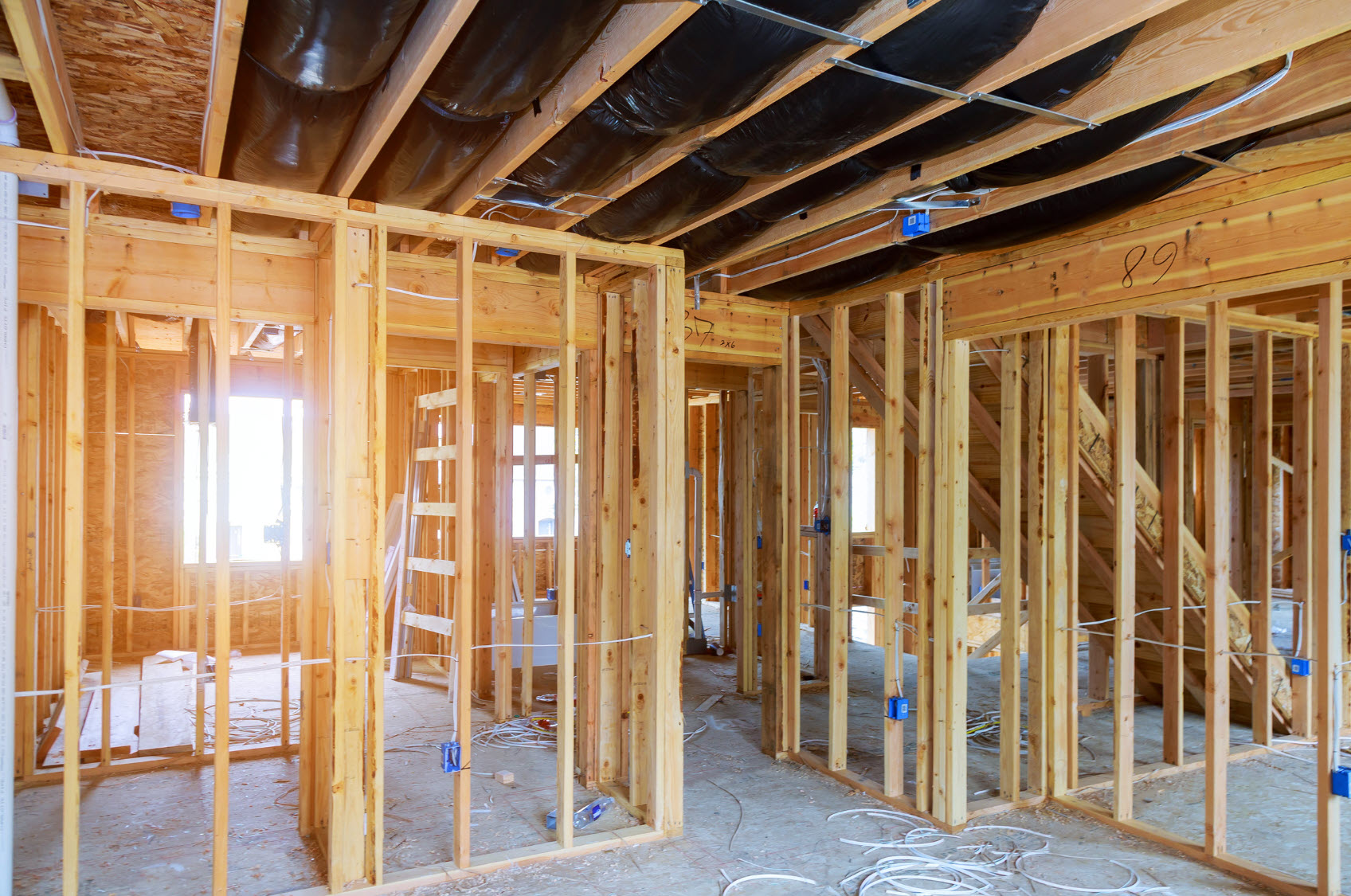
Construction financing is a specialized form of real estate lending where the mortgage funds are not released in one lump sum at closing. Instead, the funds are released in stages, known as “draws,” tied to specific milestones in the construction process. For example, one draw may be released after the foundation is poured, another after framing is complete, and so on.
Each draw requires inspection and appraisal to verify that the work has been completed to standard. Only then will the lender release the funds to the borrower. Importantly, the borrower must have upfront capital to begin construction, as the first draw is only released after initial work is completed and verified.
This structure allows lenders to manage risk while ensuring funds are only released for work that has actually been completed.
What Kind of Financing Is This?
Construction financing is not your typical residential mortgage. It’s a risk-managed, short-term loan with specific conditions around the release of funds and often includes holdbacks (such as the 10% lien holdback required in Ontario). The loan is usually interest-only during the construction phase and then converts (or “rolls over”) into a traditional mortgage once the project is complete.
Depending on the lender, the loan may be insured or uninsured. CMHC’s recent initiative to support secondary suite construction, for example, allows clients to refinance up to 90% of the “as improved” value, provided the suites meet full municipal permitting standards and are owner-occupied.
Who Offers Construction Financing—and Why So Few?
One of the most common questions I get is: “Why don’t more lenders offer construction financing?”
The short answer is risk and complexity.
Most A-lenders (banks and credit unions) have moved construction financing out of their broker channels entirely. This means even if you have a long-standing client relationship with a bank, the file will need to go directly through their branch—and they don’t pay referral fees. Scotia and Meridian, once reliable construction lenders through broker channels, no longer offer these products that way.
This has opened the door to private lenders and Mortgage Investment Corporations (MICs). These lenders are more flexible, but often more expensive. They understand the nuances of construction risk and are willing to work with borrowers who may not have perfect credit, complete documentation, or large amounts of liquid cash.
Why Would Someone Choose Construction Financing?
There are three particularly compelling reasons that a borrower would pursue this type of financing:
- You’re Building or Renovating a Property That Will Be Worth Significantly More
- You Don’t Have the Full Cash Upfront
- Your Property Plans Don’t Fit the Box of Traditional Lending
You’re Building or Renovating a Property That Will Be Worth Significantly More
Construction financing allows you to borrow against the future value of the property (the “as improved” value), rather than just its current worth. This can unlock more capital for larger or more strategic projects that traditional refinancing won’t support.
You Don’t Have the Full Cash Upfront
Unlike traditional refinancing, construction loans allow you to start with a smaller cash outlay and fund your project in phases. With the addition of CMHC’s new loan (potentially increasing from $40,000 to $80,000), some borrowers may be able to finance the early stages of construction more easily and repay those funds upon receiving draw advances.
Your Property Plans Don’t Fit the Box of Traditional Lending
If you’re building a laneway suite, a garden suite, or doing a full teardown and rebuild, most traditional lenders won’t touch the file—unless it’s completed. Construction financing allows you to borrow based on the project scope, not just the current marketable condition of the property.
Key Considerations and Risks
While powerful, construction mortgages come with unique risks and requirements:
- Appraisals at Every Draw: Lenders require inspections to verify work before releasing funds.
- 10% Lien Holdbacks: A legal requirement in Ontario to protect against contractor disputes.
- Interest Calculations: MICs often deduct accrued interest from each draw, reducing the amount released.
- Exit Strategy: Borrowers must qualify for a traditional mortgage upon completion or be prepared to sell.
It’s also critical to understand that while MICs may provide flexibility, they typically lend only up to 80% of the as-complete value, and their rates can be around 10% plus a 2% fee—charged on the future property value, not just the current loan amount.
Who Is This Best Suited For?
- Homeowners wanting to add legal income suites but lack equity to refinance conventionally.
- Investors redeveloping land with the intention of building and flipping or renting.
- Families building custom homes who have land and plans but not all the upfront capital.
- Borrowers who do not qualify for A-lenders due to credit, income type, or timing.
Final Thoughts
Construction financing is not for everyone—but for the right borrower with the right project, it can be the ideal solution to move forward when traditional mortgages fall short. My role as a mortgage agent is not only to introduce the right lenders but also to guide you through the entire process, ensuring your financing strategy is aligned with your construction goals, timelines, and long-term mortgage needs.
If you’re considering building, renovating, or adding a legal suite, let’s have a conversation. Construction financing might be exactly the tool you need to bring your vision to life—on budget and on time.