
As the real estate landscape in Canada encounters challenges related to capital scarcity and financing, industry players are navigating an uncertain terrain in 2024.
Scarcity of Capital and Cautionary Approach
With the increasing scarcity and cost of capital, developers, investors, and owners are approaching the Canadian real estate industry with caution. This hesitation is impacting the development of new supply, as concerns about the availability and affordability of capital grow. Examples of projects being put on hold or delayed due to financing challenges can be seen across the country.

Emerging Opportunities for Debt Funds
Amidst the challenges posed by the scarcity of capital, opportunities for debt funds are emerging. Some innovative financing solutions are helping to mitigate the impact of capital scarcity on real estate projects. For instance, certain investors are exploring alternative funding sources, showcasing resilience and adaptability in the face of adversity.
Challenges in Commercial Property Financing
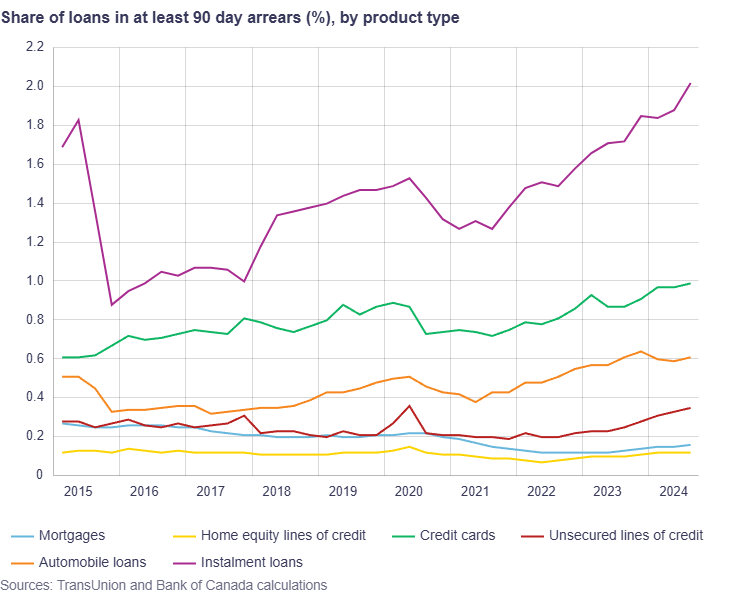
Commercial property financing is facing significant challenges, with loans being renegotiated and refinanced. This is particularly evident in the office sector, where the renegotiation and refinancing of properties are expected to be increasingly challenging. Smaller developers are finding it especially difficult to secure financing in the current environment.
Impact of Hybrid Work Models on Real Estate
The rise of hybrid work models is impacting the real estate landscape, with implications for both central business districts and suburban areas. As remote work continues to disrupt traditional working patterns, the demand for commercial real estate is experiencing shifts, prompting industry players to rethink their investment and development strategies. For example, the changing requirements for office space are reshaping the market dynamics.
Artificial Intelligence and Disruption in Real Estate
Artificial intelligence and machine learning are emerging as disruptive forces in the real estate market. The potential of generative AI is a topic of discussion, with concerns and opportunities being explored. Industry players are experimenting with AI use cases and exploring ways to integrate these technologies into the real estate sector, signalling a potential transformation in the industry.
Government Measures for Housing Affordability
Government initiatives to address housing affordability concerns are underway, but their effectiveness is under scrutiny. Efforts to align government measures with the availability of capital are crucial for tackling housing affordability in Canada. The need for substantial new home construction remains a priority, given the considerable shortage in supply.
Addressing the Housing Shortage in Canada
The demand for affordable housing in Canada is pressing, with a significant gap between the current supply and the required number of new homes. The labour shortage in the construction industry further compounds the challenge, as the need for skilled workers remains unmet. This shortage of labour may impede the construction of the required number of homes, adding complexity to the affordability crisis.
In conclusion, the Canadian real estate industry is grappling with the dual challenges of scarcity of capital and financing hurdles. As the sector confronts these issues, adapting to emerging opportunities, embracing technological advancements, and coordinating with government initiatives are vital for sustaining growth and addressing the housing affordability crisis.











