Anyone who has been following what is going on in the current real estate market knows we are faced with a profound contradiction: too many listings in the midst of a housing crisis wherein we are undersupplied with homes. It’s nuts! In my town, the housing market is facing a historic oversupply crisis, with over 500 active listings sitting unsold—each one representing a home without a buyer. Time on market has stretched to levels not seen in a generation, signalling a sharp decline in buyer urgency and a growing reluctance to commit.
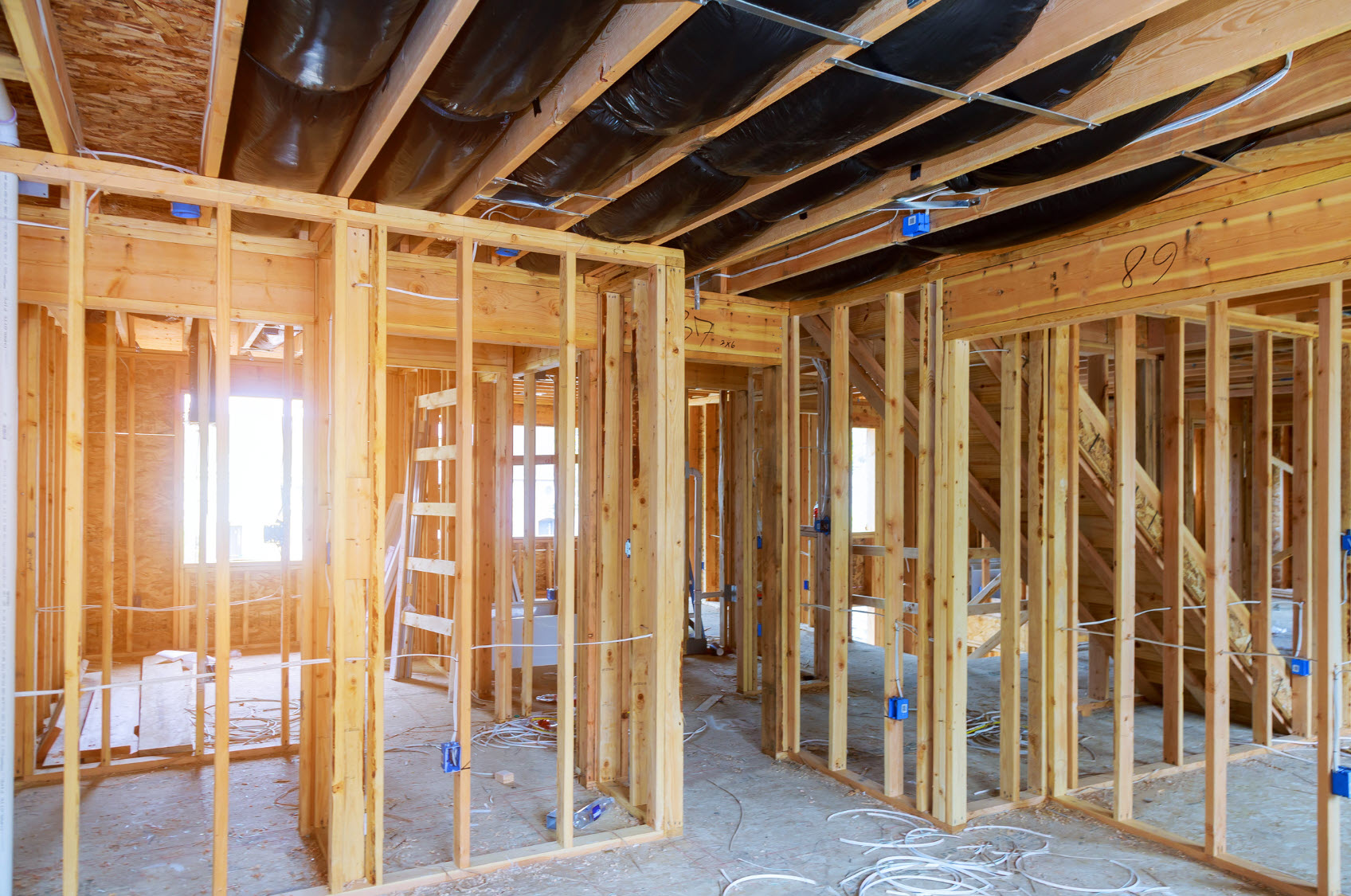
Perhaps most striking is the backlog of brand-new, move-in-ready homes that have now been languishing on the market for nearly two years. This level of stagnation reflects more than just economic hesitation—it points to a deep psychological gridlock in the decision-making process, where too much choice, too little confidence, and a fear of overpaying have frozen activity. The result is a market rich in inventory but starved of momentum.
Applying the Paradox of Choice to Today’s Real Estate Market
Strategic Implications for Realtors
Mortgages Not Suffering from the Paradox
The Paradox of Choice
From purely a psychological perspective, we are facing ‘The Paradox of Choice.’
The Paradox of Choice is a concept popularized by psychologist Barry Schwartz in his book “The Paradox of Choice: Why More Is Less.” It refers to the phenomenon where having too many options leads to decision paralysis, increased anxiety, and dissatisfaction—rather than greater freedom or happiness.
In the context of buyer behaviour, this paradox plays out in several measurable ways:
- Decision Paralysis: When faced with a vast array of choices, buyers may struggle to make a decision at all. The effort required to compare, evaluate, and choose becomes overwhelming.
- Fear of Missing Out (FOMO): Buyers may worry that if they choose one property, a better one might come along tomorrow—especially in a flooded market.
- Regret and Dissatisfaction: Even after a decision is made, the abundance of alternatives leads to second-guessing, which undermines satisfaction and commitment.
Applying the Paradox of Choice to Today’s Real Estate Market
With so many homes listed with no buyers, market time is the longest in a generation, and new builds have languished for nearly two years—the paradox of choice isn’t just a psychological theory. It’s a real-time explanation of market stagnation.
- Psychological Fatigue Among Buyers
- Shifting Buyer Expectations
- Anchoring to Market Psychology
- Market Signals and Pricing Confidence
Psychological Fatigue Among Buyers
The abundance of available inventory, particularly in the absence of urgent competition, makes it easier to defer decisions. Many buyers are not under pressure to act, so they keep “just looking.” With so many options and no bidding wars to force movement, the sense of urgency disappears.
Shifting Buyer Expectations
Buyers start to believe that the “perfect” home is out there, especially with so many listings to browse. This idealistic thinking causes people to pass over good-enough homes, holding out indefinitely for something that may never exist.
Anchoring to Market Psychology
When homes sit unsold for months—or years—buyers begin to assume something must be wrong with them. “If nobody else wants this property, why should I?” This herd mentality discourages action and perpetuates stagnation.
Market Signals and Pricing Confidence
Builders and sellers are caught in a pricing limbo. If they reduce prices too drastically, they signal desperation. If they don’t, their homes gather dust. This pricing indecision only adds to the confusion for buyers, who start to question value altogether.
Strategic Implications for Realtors
In such a saturated market, your role as a realtor shifts from simply matching buyers with listings to guiding, curating, and advising decisively. Allow me to offer some approaches:
- Simplify Options
- Create Decision Frameworks
- Reframe Scarcity
- Tell Stories, Not Specs
Simplify Options
Help clients filter decisively—by lifestyle needs, long-term value, or financial strategy (e.g., leveraging equity, future rental potential).
Encourage clients to identify their top 3 non-negotiables—whether that’s school district, home office space, walkability, or budget ceiling. Then eliminate any listing that doesn’t meet those criteria immediately, no matter how “nice” it looks.
This shifts the search from possibility-based to principle-based.
Create Decision Frameworks
Rather than sending dozens of listings, act as a professional curator:
- Present 3 to 5 highly relevant properties that clearly match the client’s priorities.
- Offer a pro/con breakdown for each, using consistent language.
- Avoid flooding their inbox—respect their cognitive bandwidth.
People can process limited options better than endless ones. Your job is to filter, not forward.
Reframe Scarcity
Focus marketing on what homes offer now (e.g., immediate possession, lower carrying costs, upgraded finishes) rather than a fear of missing out.
Realtors can powerfully reframe scarcity in today’s slow-moving, over-supplied market by shifting the narrative from “act fast before it’s gone” to “look at what’s available now that wasn’t before.” In other words, turn the abundance into a strategic advantage—and focus the client’s attention on what they can gain by buying now, not what they might miss by waiting.
Tell Stories, Not Specs
In a high-choice environment, emotion and lifestyle branding cut through noise better than feature lists.
Use client stories to demonstrate how real people are using today’s market to their advantage:
- A couple who negotiated $40K off and got their dream home.
- A family who skipped the waitlist for a finished new build with all the upgrades.
- A downsizer who finally found the bungalow that was never available before.
These stories create emotional urgency based on possibility, not fear.
Mortgages Not Suffering from the Paradox
The Paradox of Choice—the idea that too many options can lead to decision paralysis and dissatisfaction—is not playing out in the Canadian mortgage market. And that divergence tells us a lot about consumer psychology, financial stressors, and how people navigate high-stakes decisions differently depending on the context.
While realtors help buyers fall in love with a home, mortgage agents help clients confidently commit to a financial path. The clearer and more secure that path feels, the faster a borrower moves forward—no paralysis necessary.
My Final Thoughts
In the midst of affordability issues, today’s real estate market isn’t being stifled by a lack of inventory—it’s being smothered by too much of it. In towns across Canada, hundreds of homes sit unsold, not because they’re unworthy, but because buyers are also being overwhelmed, made hesitant, and increasingly paralyzed by the illusion of endless choice. The paradox of choice has created a psychological fog makes buyers hesitant and nervous.
In supporting realtors, I believe the opportunity—and responsibility—is clear: become filters, not funnels. Simplify the path. Guide decisively. Shift the narrative from FOMO pressure to possibility. In doing so, you don’t just help buyers find a home—you help them reclaim the confidence to act. While the mortgage market offers clarity through structure, real estate demands leadership through strategy. If we can meet that challenge, we won’t just revive a stalled market—we’ll transform it.