Archive







Article Archive
Ontario Variable Rate Mortgage Strategy
Reverse Mortgage: Independent Legal Advice (ILA)
Reverse Mortgages and the Affluent Retiree
Funding Your Retirement: Reverse Mortgage
Reverse Mortgage to a Second Dream Home
Reverse Mortgage: Cushion Against Inflation
Struggling Financially as a Senior
Key Features of a Consumer Proposal in Ontario
Mortgages: Consumer Proposal & Bankruptcy
Key Features of Bankruptcy in Ontario
Mortgage Availability in a Flood Zone
Who are Canada’s Private Lenders?
Who are Canada’s Mortgage Finance Corporations?
Canada’s Non-Federally Regulated Mortgage Providers
Who are Canada’s Mortgage Investment Corporations
Does the Stress Test Apply to Private Mortgages?
How Does the Stress Test Work?
American Financial Crisis in Canada?
What is Canada’s Mortgage Default Risk?
Why Canada Needed the Mortgage Stress Test?
What does the Stress Test Prevent?
5 Reasons to Escape the Rent Trap
Why Mortgages are Important to Canada’s Banks
Price of Commuting: Lost Time, Lost Life
Price of Commuting: The Daily Journey into Toronto
Is Ontario’s 407ETR The World’s Most Expensive Highway?
10 Ways Interest Rates Impact Housing Prices
10 Reasons Why Investment Demand Impacts Real Estate Prices
10 Ways Inflation Impacts Real Estate Prices
10 Ways Economic Conditions Impact Real Estate Prices
10 Reasons Real Estate is So Expensive
10 Ways Supply and Demand Impact Real Estate Prices
10 Ways ‘Location’ Impacts Real Estate Prices.
10 Ontario cities with Strong Property Value Appreciation
10 Fastest Growing Ontario Cities
Ontario’s Top Historical Cities
10 Factors Impacting Housing Supply
10 Shortest Ontario Commute Cities
Ontario’s 10 Most Affordable Cities
The Most Wanted Community Amenities
Ontario’s Top Lifestyle Cities
10 Variable Mortgage Strategies
How the Trigger Point Impacts Canadians
How to Take Advantage of Refinancing Opportunities
Difference between the Economy and Markets
Canadian Real Estate Lacks Capital
How to Control Inflation with Interest Rates
Interest Rates and the Canadian Dollar
How the Bank of Canada Steers the Economy
The Perfect Time for a Variable Rate Mortgage
How to Choose the Right Term Length for a Fixed Mortgage
What is Critical Illness Insurance
How to Make the Most of Prepayment Privileges for a Fixed Mortgage
Why Life Insurance is the Best Mortgage Insurance
How to Optimize Payment Frequency for a Fixed Mortgage
Record Wildfires Impact Lumber Pricing
How Alberta Leaving CPP Impacts You
Why Canadian Interest Rates Remain High
How Much is Airbnb Driving Up Rents
Experts Predict Canadian Dollar Fall
Re-Zoning to Create Affordable, Safe Neighbourhoods?
Why America Thrives and Canada Struggles
Small Business Debt: A Growing Concern for Canada’s Economy
The Housing Market and the Power of Lower Rates
Navigating Changing Interest Rates and Debt in Canada
The Importance of Private Sector Involvement in Affordable Housing
Investing in Real Estate and Infrastructure: Harnessing Long-Term Cash Flows
Defaulting on Your Mortgage? Exploring the Consequences and Solutions
Why a 3-Year-Fixed Mortgage May be a Bad Choice in 2024
Buy a property for $10 in Ontario: Town Makes Homeownership Affordable
Why Immigrants are Crucial for Canada’s Economy
Millennials Brace for Economic Pain
Toronto Real Estate: Dominance of Investors and Its Implications
Are You Prepared? Homeowners Brace for Mortgage Renewals
40-Year Canadian Mortgages: What you need to know.
London Addresses Homeless Crisis
The Impact of Mortgage Rates on Residential Property Values
Household Financial Stress Over High-Interest Rates
What’s So Special About 2% Inflation
How Much is Air BnB Driving Up Rent Prices?
Know the Dow, Build Your Down Payment
Mortgage Cash-Out Refinance in Ontario
Mortgage Refinance Options in Ontario
Mortgage Co-Signer: Risks & Responsibilities
Understanding Tenants in Common Ownership
Understanding Joint Tenancy Ownership
Why the First Time Home Buyer Incentive Program was Cancelled.
Navigating the CMHC Newcomers Program
Manulife One: Mortgage and Bank Account
Leverage Simcoe County Homeownership Program
Leveraging Peel’s BNI Homeownership Bridge Program
Leveraging GTA’s Habitat for Humanity
Leveraging the Kingston Homeownership Program
Leveraging the Dufferin Country Homeownership Program
Leveraging the Chatham/Kent Homeownership Program
Leveraging Gateway Muskoka Homeownership Program
Brantford’s B-Home Homeownership Program
Region of Waterloo Affordable Home Ownership Program
Leverage the Niagara Homeownership Program
Regional and Municipal Homeownership Programs

10 Big Benefits of Going Variable
Variable Mortgages. If you’ve ever surfed—or even watched someone surf—you know it’s all about balance. You don’t fight the wave; you ride it. That’s exactly what it feels like to hold a variable-rate mortgage. Sure, the water can get choppy, but if you’ve got good footing, it can take you further, faster, and often cheaper than the safer route.

Canadian Land Transfer Tax Calculator
Land Transfer Tax Calculator: Buying a home in Canada is a thrilling adventure — whether it’s a downtown condo, a family home in the suburbs, or a cabin near the lake. But between deposits, inspections, and closing paperwork, there’s one cost that often catches buyers off guard: the Land Transfer Tax (LTT).

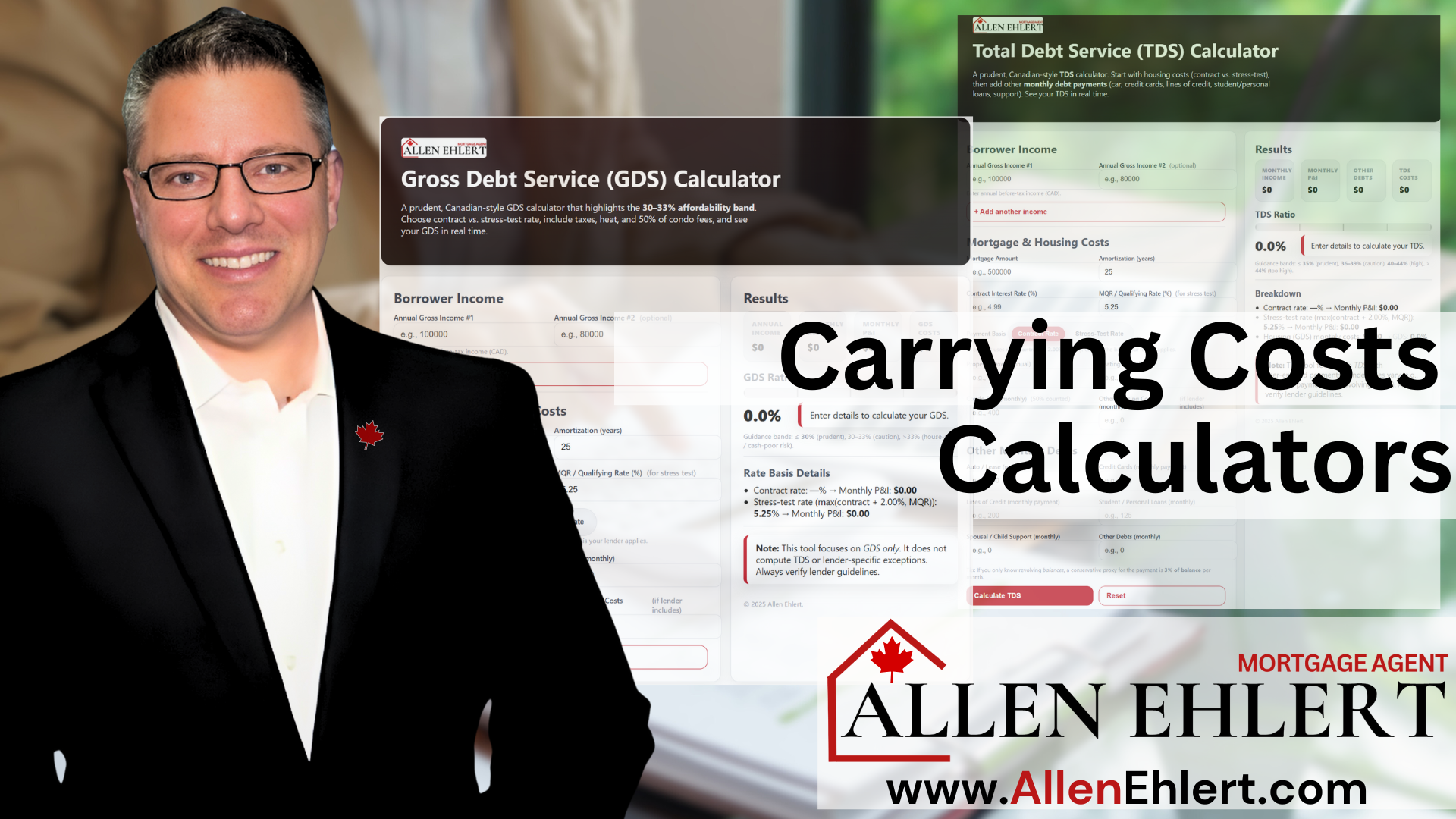
Home Carrying Cost Calculators
… Understanding Carrying Costs: The Unsung Hero of Smart Homebuying When most people think about buying a home, they focus on one number—the price tag. But seasoned buyers, realtors, and mortgage professionals know that the real story lies beneath the surface. The...

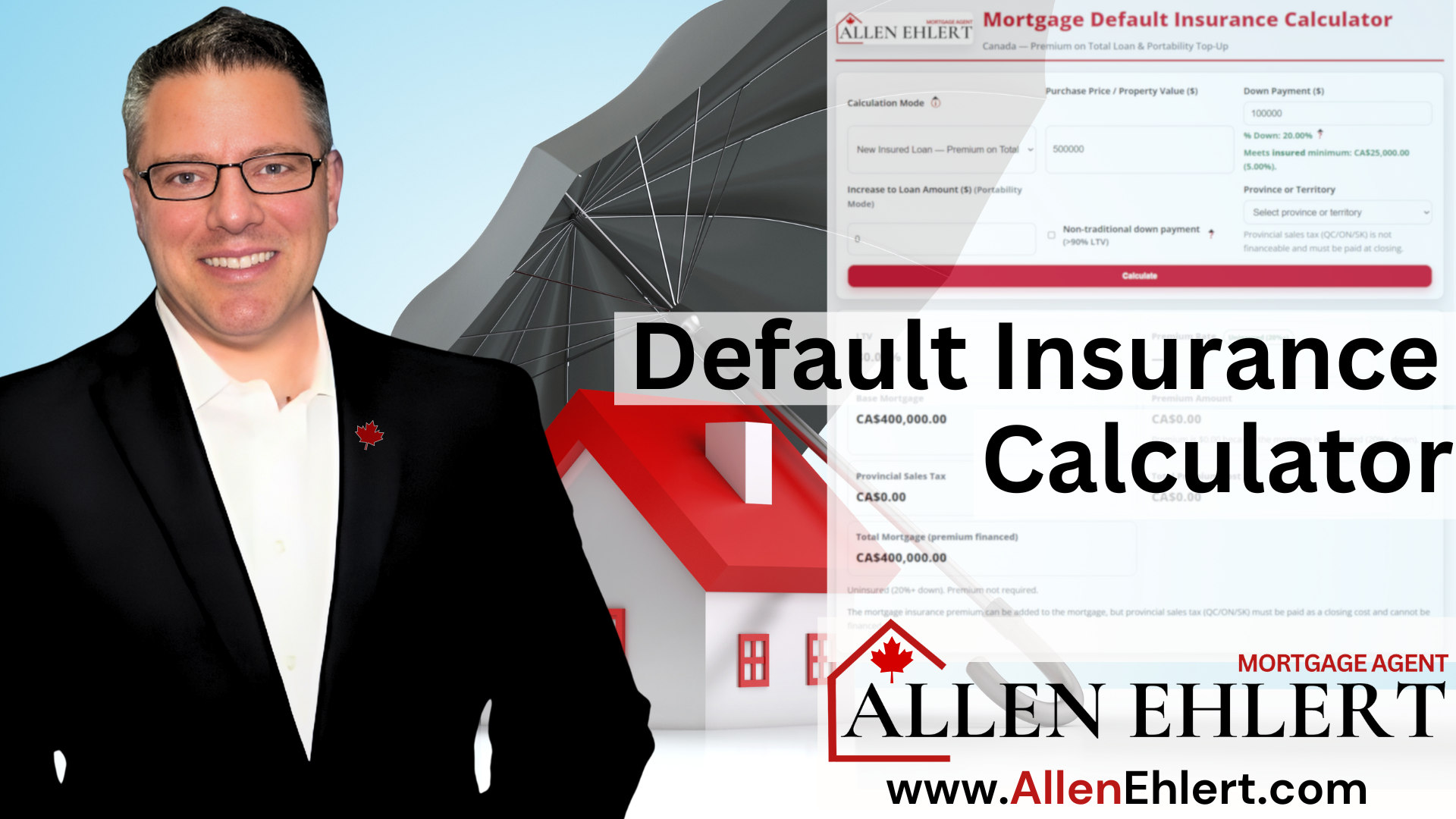
Mortgage Default Insurance Calculator
Mortgage Default Insurance Calculator: Buying a home in Canada can feel like stepping into a maze of numbers, acronyms, and fine print — but it doesn’t have to. Whether you’re a first-time buyer or a seasoned investor, understanding how default insurance works is key to knowing your real costs and options.

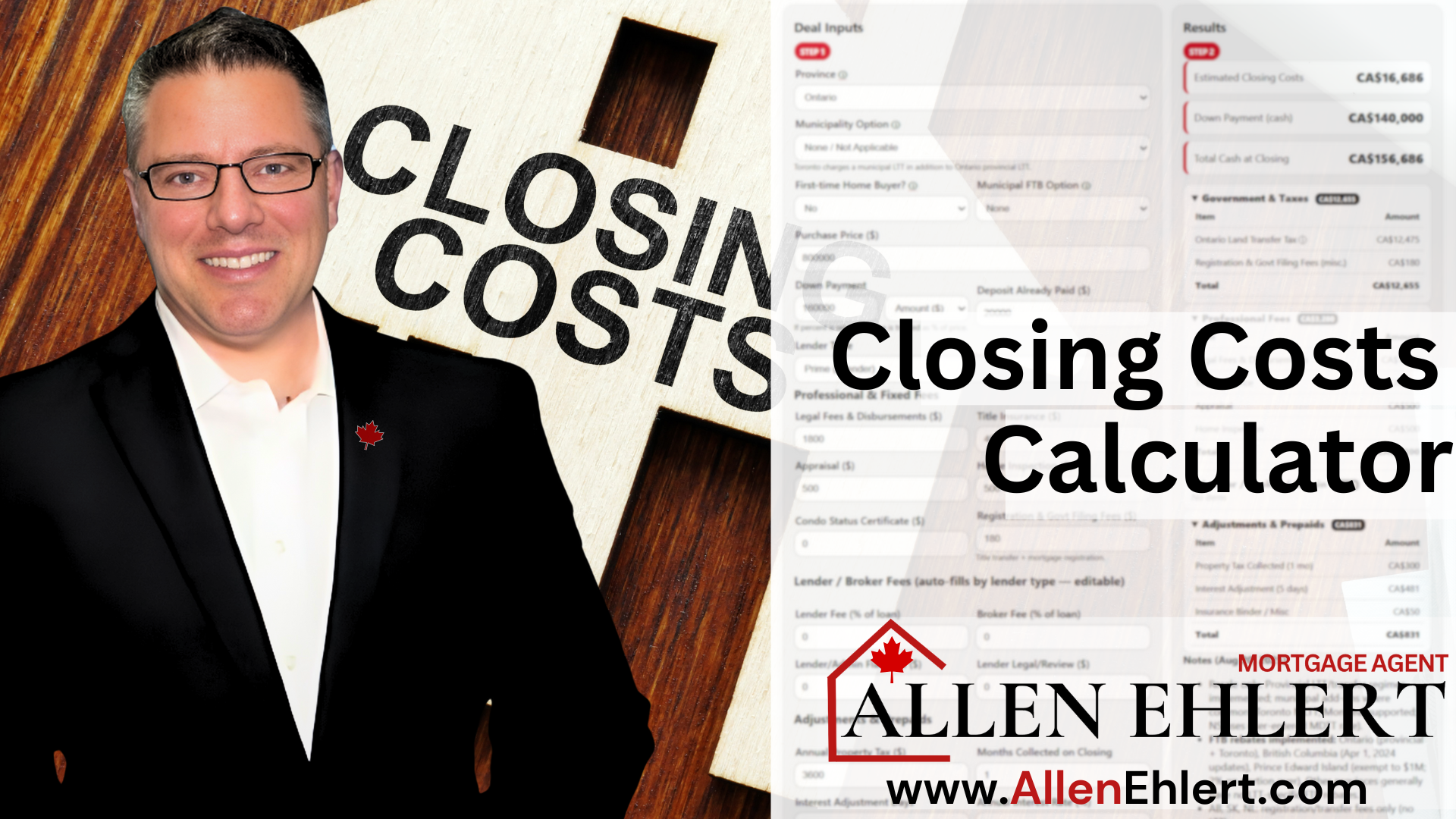
Canadian Closing Costs Calculator
Canadian Closing Costs Calculator: Buying a home is one of those life-changing moments that’s equal parts thrilling and nerve-wracking. Between scrolling listings, making offers, and imagining your first morning coffee in the new kitchen, it’s easy to overlook one key detail — closing costs. These aren’t the fun, HGTV-type parts of buying a home, but they’re essential.

The Networking Myth
The Networking Myth: As a mortgage agent working alongside realtors, accountants, and financial planners, I see this disconnect every day. Talented professionals doing everything “right,” yet wondering why referrals feel harder to come by. The issue isn’t effort or skill. It’s that the rules of social engagement—and therefore business growth—have changed.

How to Use My Mortgage Discharge Cost Calculator
Mortgage Discharge Calculator: This tool is designed to help you see—clearly and early—what it actually costs to remove a mortgage from title, based on the type of lender you’re dealing with. Whether you’re refinancing, switching lenders, selling a property, or restructuring debt, knowing these numbers in advance puts you back in control.

Non Resident Tax Rebates (NRST, NRPDTT, BC PNP, etc.)
Foreign Buyer Tax Rebates (NRST, NRPDTT, BC PNP): When you first arrive in Canada, buying a home feels like crossing the finish line of a marathon—only to realize there’s another race waiting at the starting line: understanding the taxes, rebates, and programs that affect newcomers. One of the biggest hurdles foreign buyers face in Ontario is the Non-Resident Speculation Tax (NRST)—a hefty 25% charge on residential property purchases by non-residents.

Why My Pre-Approval Is Better
Pre Approval: When you’re getting ready to buy a home, that pre-approval letter feels like a badge of honour — proof that you’re serious, qualified, and ready to make your move. But here’s what most buyers (and most realtors) don’t realize: not all pre-approvals are created equal.

Why You Need a Mortgage Agent
Mortgage Agent. Buying a home isn’t just a purchase—it’s a leap into the next chapter of your life. And with rates swinging, rules tightening, and mortgage options multiplying faster than smartphone models, you deserve someone who’s dedicated to you and no one else. That’s where a mortgage agent steps in—your advocate, your strategist, your buffer against costly mistakes.

Stop Scrolling Realtor.ca
Get a Mortgage Agent first: Most people start their homebuying adventure exactly backwards. They hop onto Realtor.ca, fall in love with a gorgeous kitchen, picture their dog in the backyard, and then—usually with a little dread—they think, “Okay… how do we actually pay for this and what can we afford?”

Need a Mortgage? Start Here.
Need a Mortgage? Start Here: Buying a home—especially your first—can feel like stepping into a world where everyone else seems to have the rulebook but you. Rates, lenders, documents, jargon… it’s enough to make anyone feel like they’re drinking from a firehose. But when you follow the right steps in the right order, everything becomes clearer, calmer, and surprisingly empowering.

Protect Your Mortgage
Mortgage Protection Insurance: Buying a home, especially your first home is one of those big, life-defining moments. You and your partner have been budgeting, working with your mortgage agent, hunting down listings, talking to realtors, and imagining what that first night in a place that’s finally yours will feel like. But beneath all the excitement, there’s a quieter, more grown-up question that every couple needs to ask—“If something unexpected happens, can we not lose this home we worked so hard for?”

Understanding Contributory Income
Contributory Income: Every once in a while, a mortgage file comes along that makes you smile—not because it’s easy, but because you know exactly what lever to pull to make the deal work. Contributory income is one of those levers. It’s the quiet, seldom-talked-about income source that can turn a “maybe” into a confident “yes,” especially when buyers are stretched, ratios are tight, or affordability feels like a moving target. And if you’re a realtor guiding clients or a borrower trying to qualify, understanding how contributory income works is like unlocking a hidden chapter in the rulebook.

Understanding Shelter Costs
Shelter Costs: If you’ve ever felt like lenders were speaking a different language when they talk about “shelter costs,” you’re not alone. Clients often look at me like I’m explaining astrophysics when I break down why lenders assign a shelter cost—even when a borrower is living in their parents’ basement and paying nothing more than a smile and a promise to take out the garbage.

10 Ways Urbanization Impacts Real Estate Prices
Urbanization trends significantly impact real estate prices due to a variety of interconnected factors: Increased Demand in Urban Areas Limited Supply in Dense Areas Changing Lifestyles and Preferences Infrastructure and Amenities Economic Opportunities Investment...
Featured Publications
Articles
- Extended Amortizations and Hypothetical Calculations
Office of the Superintendent of Financial Institutions (OSFI) - Minimum Qualifying Rate for Uninsured Mortgages
Office of the Superintendent of Financial Institutions (OSFI) - Residential Mortgage Underwriting Practices and Procedures
Office of the Superintendent of Financial Institutions (OSFI) - Guideline on Existing Consumer Mortgage Loans in Exceptional Circumstances Financial Consumer Agency of Canada
Book: “The Program”
- Part 1 – Building Your Down Payment
- Part 2 – Mortgage Payoff Strategies
- Part 3 – Building Wealth Through Real Estate
Get a free subscription to “The Mortgage Insider” containing rate updates and financial strategies!