Archive








Article Archive
Ontario Variable Rate Mortgage Strategy
Reverse Mortgage: Independent Legal Advice (ILA)
Reverse Mortgages and the Affluent Retiree
Funding Your Retirement: Reverse Mortgage
Reverse Mortgage to a Second Dream Home
Reverse Mortgage: Cushion Against Inflation
Struggling Financially as a Senior
Key Features of a Consumer Proposal in Ontario
Mortgages: Consumer Proposal & Bankruptcy
Key Features of Bankruptcy in Ontario
Mortgage Availability in a Flood Zone
Who are Canada’s Private Lenders?
Who are Canada’s Mortgage Finance Corporations?
Canada’s Non-Federally Regulated Mortgage Providers
Who are Canada’s Mortgage Investment Corporations
Does the Stress Test Apply to Private Mortgages?
How Does the Stress Test Work?
American Financial Crisis in Canada?
What is Canada’s Mortgage Default Risk?
Why Canada Needed the Mortgage Stress Test?
What does the Stress Test Prevent?
5 Reasons to Escape the Rent Trap
Why Mortgages are Important to Canada’s Banks
Price of Commuting: Lost Time, Lost Life
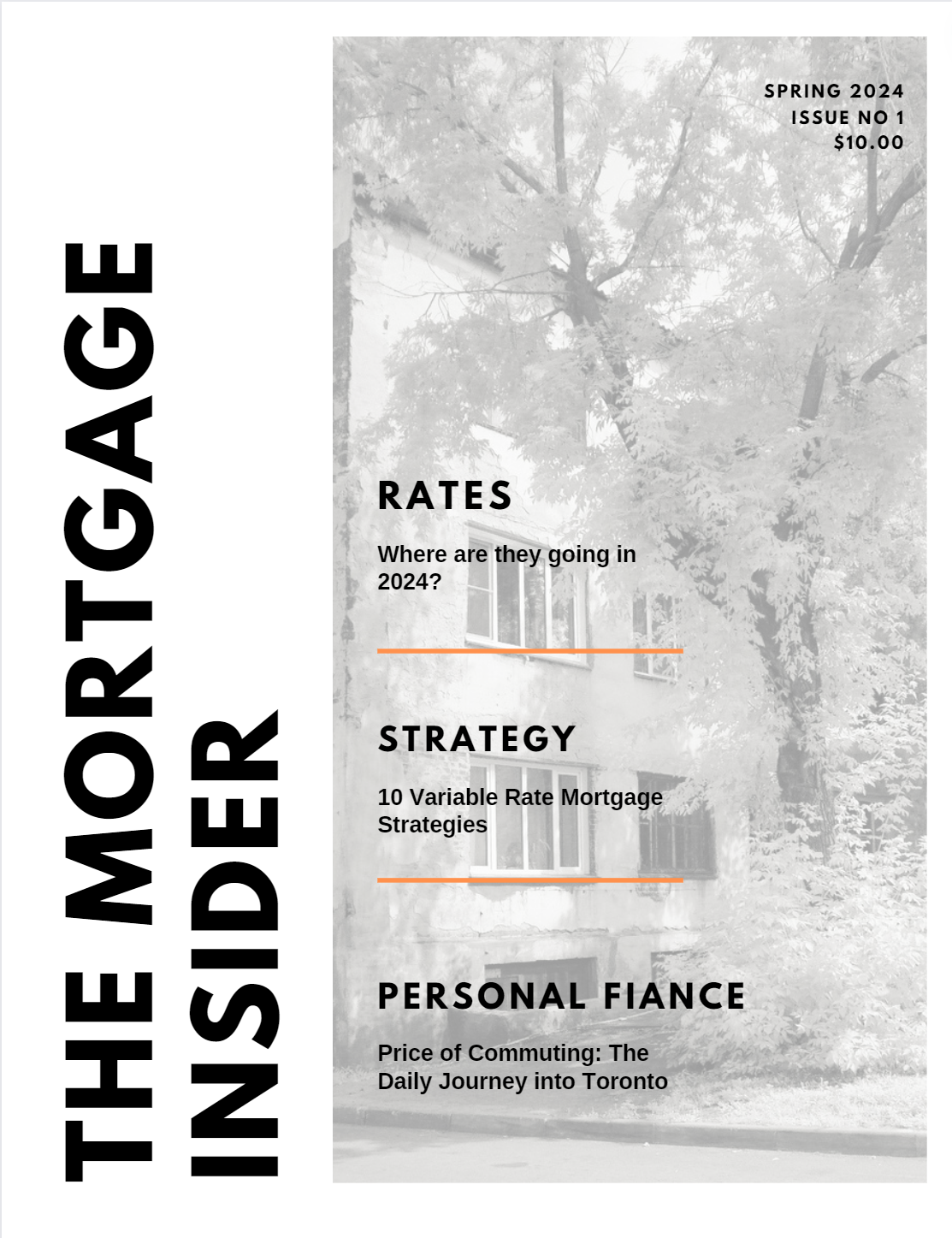
Price of Commuting: The Daily Journey into Toronto
Is Ontario’s 407ETR The World’s Most Expensive Highway?
10 Ways Interest Rates Impact Housing Prices
10 Reasons Why Investment Demand Impacts Real Estate Prices
10 Ways Inflation Impacts Real Estate Prices
10 Ways Economic Conditions Impact Real Estate Prices
10 Reasons Real Estate is So Expensive
10 Ways Supply and Demand Impact Real Estate Prices
10 Ways ‘Location’ Impacts Real Estate Prices.
10 Ontario cities with Strong Property Value Appreciation
10 Fastest Growing Ontario Cities
Ontario’s Top Historical Cities
10 Factors Impacting Housing Supply
10 Shortest Ontario Commute Cities
Ontario’s 10 Most Affordable Cities
The Most Wanted Community Amenities
Ontario’s Top Lifestyle Cities
10 Variable Mortgage Strategies
How the Trigger Point Impacts Canadians
How to Take Advantage of Refinancing Opportunities
Difference between the Economy and Markets
Canadian Real Estate Lacks Capital
How to Control Inflation with Interest Rates
Interest Rates and the Canadian Dollar
How the Bank of Canada Steers the Economy
The Perfect Time for a Variable Rate Mortgage
How to Choose the Right Term Length for a Fixed Mortgage
What is Critical Illness Insurance
How to Make the Most of Prepayment Privileges for a Fixed Mortgage
Why Life Insurance is the Best Mortgage Insurance
How to Optimize Payment Frequency for a Fixed Mortgage
Record Wildfires Impact Lumber Pricing
How Alberta Leaving CPP Impacts You
Why Canadian Interest Rates Remain High
How Much is Airbnb Driving Up Rents
Experts Predict Canadian Dollar Fall
Re-Zoning to Create Affordable, Safe Neighbourhoods?
Why America Thrives and Canada Struggles
Small Business Debt: A Growing Concern for Canada’s Economy
The Housing Market and the Power of Lower Rates
Navigating Changing Interest Rates and Debt in Canada
The Importance of Private Sector Involvement in Affordable Housing
Investing in Real Estate and Infrastructure: Harnessing Long-Term Cash Flows
Defaulting on Your Mortgage? Exploring the Consequences and Solutions
Why a 3-Year-Fixed Mortgage May be a Bad Choice in 2024
Buy a property for $10 in Ontario: Town Makes Homeownership Affordable
Why Immigrants are Crucial for Canada’s Economy
Millennials Brace for Economic Pain
Toronto Real Estate: Dominance of Investors and Its Implications
Are You Prepared? Homeowners Brace for Mortgage Renewals
40-Year Canadian Mortgages: What you need to know.
London Addresses Homeless Crisis
The Impact of Mortgage Rates on Residential Property Values
Household Financial Stress Over High-Interest Rates
What’s So Special About 2% Inflation
How Much is Air BnB Driving Up Rent Prices?
Know the Dow, Build Your Down Payment
Mortgage Cash-Out Refinance in Ontario
Mortgage Refinance Options in Ontario
Mortgage Co-Signer: Risks & Responsibilities
Understanding Tenants in Common Ownership
Understanding Joint Tenancy Ownership
Why the First Time Home Buyer Incentive Program was Cancelled.
Navigating the CMHC Newcomers Program
Manulife One: Mortgage and Bank Account
Leverage Simcoe County Homeownership Program
Leveraging Peel’s BNI Homeownership Bridge Program
Leveraging GTA’s Habitat for Humanity
Leveraging the Kingston Homeownership Program
Leveraging the Dufferin Country Homeownership Program
Leveraging the Chatham/Kent Homeownership Program
Leveraging Gateway Muskoka Homeownership Program
Brantford’s B-Home Homeownership Program
Region of Waterloo Affordable Home Ownership Program
Leverage the Niagara Homeownership Program
Regional and Municipal Homeownership Programs

Condition of Sale of Buyer’s Property
Navigating the real estate market can be complex, especially when conditions like "sale of current property" clauses—commonly referred to as Sale of Buyer’s Property (SBP) conditions—come into play. With the cooling real estate market, these conditions have made a...
When a Private Mortgage Is the Cheapest Option (Residential)
When a Private Mortgage is the Cheapest Option (Residential): In very specific owner-occupied scenarios, private financing—despite its eye-watering sticker price—can actually preserve more equity, avoid bigger losses, and produce a better financial outcome than a “cheaper” mortgage that arrives too late.

Understanding Light vs. Heavy Alternative Lending
Alternative Lending: Canada’s alternative lending space has two very different lanes — and knowing which lane a borrower belongs in can mean the difference between a smooth approval and a stressful, expensive surprise. This article breaks that down clearly, honestly, and without the fluff.

Big Banks Keep Winning at Renewal
Banks Winning Renewal Wars: If you’ve ever hit mortgage renewal time and thought, “Well this is convenient… my bank is suddenly very competitive,” you’re not imagining things. Mortgage renewals are where Canada’s chartered banks quietly flex their biggest muscles—often without advertising, without public rate wars, and without much resistance from borrowers.

USA vs Canada: Discharge Costs
USA vs Canadad: Discharge Costs: Why Americans don’t pay discharge costs and is their system better?

When a Private Mortgage Is the Cheapest Option (Investor)
Private Mortgage Is the Cheapest Option (Investor): But real estate investing isn’t about optics — it’s about outcomes. And in certain residential investment scenarios, private mortgages can actually be the cheapest capital available, even with a double-digit rate.

End of Term Discharge Costs
End of Term Discharge Costs: This is one of the most common assumptions borrowers make—and it’s also one of the most common places people get caught off guard. Ending a mortgage term and ending a mortgage itself are two very different things, and the difference shows up in the form of mortgage discharge costs.

Mortgage Discharge Costs
Mortgage Discharge Costs: Mortgage discharge costs are one of those quiet, behind-the-scenes expenses that rarely get airtime—but they absolutely matter. Whether you’re selling, refinancing, switching lenders, or paying your mortgage off early, discharge costs show up every single time.

The Real Cost of a Mortgage in Canada
Real Cost of a Mortgage in Canada: Once you step back and look at appraisals, legal fees, lender fees, broker fees, exit costs, and time, you start to see why two mortgages with very different rates can end up costing surprisingly similar amounts — and why some “cheap-looking” mortgages are anything but.

Mortgage Discharge Costs
Mortgage Discharge Costs: Mortgage discharge costs are one of those quiet, behind-the-scenes expenses that rarely get airtime—but they absolutely matter. Whether you’re selling, refinancing, switching lenders, or paying your mortgage off early, discharge costs show up every single time. And if you don’t understand them, they can quietly erode the savings you thought you were getting.

Using the Debt Consolidation Calculator
Using the Debt Consolidation Calculator: It’s a planning and education tool to help you understand what options exist, when they make sense, and why timing and structure matter just as much as the rate.

Discover Square Lending
Square Lending: Discover Square Lending, a Canadian alternative mortgage lender designed for real-world borrowers. Learn who they’re for, how they lend, and when they make sense.

Why Everyone Needs to Consider a HELOC
Everyone Should Consider a HELOC: Most Canadians are living in an affordability pressure cooker. Housing costs are high. Groceries are expensive. Insurance, utilities, childcare—everything feels heavier than it did even a few years ago. At the same time, income hasn’t kept pace, and job security feels shakier than it used to.

The Smartest HELOC Isn’t Sold at a Bank Desk
SMART HELOC: a HELOC is not a commodity, and it’s not a neutral product. It’s a powerful, complex financial instrument that behaves very differently depending on who you are, how it’s structured, and who helped you set it up.

A HELOC Is Not a HELOC
A HELOC is not a HELOC: A HELOC is a complex financial instrument, wrapped in friendly language, sold in very different forms by very different lenders—and it behaves wildly differently depending on who is using it and how it’s structured.

When a HELOC Becomes a Financial Trap
When a HELOC Becomes a Financial Trap: But here’s the uncomfortable truth: for many homeowners, a HELOC doesn’t just sit quietly in the background. It subtly reshapes behaviour, increases exposure to risk, and—if misused—can turn a strong financial position into a fragile one.
Featured Publications
Articles
- Extended Amortizations and Hypothetical Calculations
Office of the Superintendent of Financial Institutions (OSFI) - Minimum Qualifying Rate for Uninsured Mortgages
Office of the Superintendent of Financial Institutions (OSFI) - Residential Mortgage Underwriting Practices and Procedures
Office of the Superintendent of Financial Institutions (OSFI) - Guideline on Existing Consumer Mortgage Loans in Exceptional Circumstances Financial Consumer Agency of Canada
Book: “The Program”
- Part 1 – Building Your Down Payment
- Part 2 – Mortgage Payoff Strategies
- Part 3 – Building Wealth Through Real Estate
Get a free subscription to “The Mortgage Insider” containing rate updates and financial strategies!