Archive










Article Archive
Ontario Variable Rate Mortgage Strategy
Reverse Mortgage: Independent Legal Advice (ILA)
Reverse Mortgages and the Affluent Retiree
Funding Your Retirement: Reverse Mortgage
Reverse Mortgage to a Second Dream Home
Reverse Mortgage: Cushion Against Inflation
Struggling Financially as a Senior
Key Features of a Consumer Proposal in Ontario
Mortgages: Consumer Proposal & Bankruptcy
Key Features of Bankruptcy in Ontario
Mortgage Availability in a Flood Zone
Who are Canada’s Private Lenders?
Who are Canada’s Mortgage Finance Corporations?
Canada’s Non-Federally Regulated Mortgage Providers
Who are Canada’s Mortgage Investment Corporations
Does the Stress Test Apply to Private Mortgages?
How Does the Stress Test Work?
American Financial Crisis in Canada?
What is Canada’s Mortgage Default Risk?
Why Canada Needed the Mortgage Stress Test?
What does the Stress Test Prevent?
5 Reasons to Escape the Rent Trap
Why Mortgages are Important to Canada’s Banks
Price of Commuting: Lost Time, Lost Life
Price of Commuting: The Daily Journey into Toronto
Is Ontario’s 407ETR The World’s Most Expensive Highway?
10 Ways Interest Rates Impact Housing Prices
10 Reasons Why Investment Demand Impacts Real Estate Prices
10 Ways Inflation Impacts Real Estate Prices
10 Ways Economic Conditions Impact Real Estate Prices
10 Reasons Real Estate is So Expensive
10 Ways Supply and Demand Impact Real Estate Prices
10 Ways ‘Location’ Impacts Real Estate Prices.
10 Ontario cities with Strong Property Value Appreciation
10 Fastest Growing Ontario Cities
Ontario’s Top Historical Cities
10 Factors Impacting Housing Supply
10 Shortest Ontario Commute Cities
Ontario’s 10 Most Affordable Cities
The Most Wanted Community Amenities
Ontario’s Top Lifestyle Cities
10 Variable Mortgage Strategies
How the Trigger Point Impacts Canadians
How to Take Advantage of Refinancing Opportunities
Difference between the Economy and Markets
Canadian Real Estate Lacks Capital
How to Control Inflation with Interest Rates
Interest Rates and the Canadian Dollar
How the Bank of Canada Steers the Economy
The Perfect Time for a Variable Rate Mortgage
How to Choose the Right Term Length for a Fixed Mortgage
What is Critical Illness Insurance
How to Make the Most of Prepayment Privileges for a Fixed Mortgage
Why Life Insurance is the Best Mortgage Insurance
How to Optimize Payment Frequency for a Fixed Mortgage
Record Wildfires Impact Lumber Pricing
How Alberta Leaving CPP Impacts You
Why Canadian Interest Rates Remain High
How Much is Airbnb Driving Up Rents
Experts Predict Canadian Dollar Fall
Re-Zoning to Create Affordable, Safe Neighbourhoods?
Why America Thrives and Canada Struggles
Small Business Debt: A Growing Concern for Canada’s Economy
The Housing Market and the Power of Lower Rates
Navigating Changing Interest Rates and Debt in Canada
The Importance of Private Sector Involvement in Affordable Housing
Investing in Real Estate and Infrastructure: Harnessing Long-Term Cash Flows
Defaulting on Your Mortgage? Exploring the Consequences and Solutions
Why a 3-Year-Fixed Mortgage May be a Bad Choice in 2024
Buy a property for $10 in Ontario: Town Makes Homeownership Affordable
Why Immigrants are Crucial for Canada’s Economy
Millennials Brace for Economic Pain
Toronto Real Estate: Dominance of Investors and Its Implications
Are You Prepared? Homeowners Brace for Mortgage Renewals
40-Year Canadian Mortgages: What you need to know.
London Addresses Homeless Crisis
The Impact of Mortgage Rates on Residential Property Values
Household Financial Stress Over High-Interest Rates
What’s So Special About 2% Inflation
How Much is Air BnB Driving Up Rent Prices?
Know the Dow, Build Your Down Payment
Mortgage Cash-Out Refinance in Ontario
Mortgage Refinance Options in Ontario
Mortgage Co-Signer: Risks & Responsibilities
Understanding Tenants in Common Ownership
Understanding Joint Tenancy Ownership
Why the First Time Home Buyer Incentive Program was Cancelled.
Navigating the CMHC Newcomers Program
Manulife One: Mortgage and Bank Account
Leverage Simcoe County Homeownership Program
Leveraging Peel’s BNI Homeownership Bridge Program
Leveraging GTA’s Habitat for Humanity
Leveraging the Kingston Homeownership Program
Leveraging the Dufferin Country Homeownership Program
Leveraging the Chatham/Kent Homeownership Program
Leveraging Gateway Muskoka Homeownership Program
Brantford’s B-Home Homeownership Program
Region of Waterloo Affordable Home Ownership Program
Leverage the Niagara Homeownership Program
Regional and Municipal Homeownership Programs

Collateral Mortgage: How Much Collateral to Register?
Learn what a collateral mortgage is and how to determine how much collateral to register on a collateral mortgage.

Mortgages for Co-Ops
The idea of a co-op might raise an eyebrow. You’ve probably heard the term before, maybe in a Manhattan movie — but in Canadian real estate? Not so common. And the truth is, financing a co-op isn’t quite the same as getting a regular condo mortgage. So let’s walk through what makes them different, what lenders look for, and how you can still make it happen if you’ve got your heart set on one.

Realtor Bias: Sabotaging Thoughts
You’ve walked a thousand clients through negotiations, listings, and mortgage options. You’re no rookie. But here’s the kicker: even the most seasoned real estate pros fall into mental traps—cognitive biases—without realizing it. These biases aren’t about intelligence. They’re about how our brains are wired to shortcut decisions.

Realtors Doing the Hard Things
Every realtor I know has a hustler’s heart. You show up. You grind. You prospect, follow up, and juggle a dozen balls in the air while smiling through it all. But if we’re being honest—and we should be—there’s a layer beneath the open houses and social media reels where the real work lives. It’s not about marketing or mortgage math. It’s about doing the hard things: the gut-wrenching, emotionally taxing decisions and conversations that separate the merely successful from the truly exceptional.

How to Introduce Yourself as a Realtor
Ever walk into a networking event, open house, or even a coffee shop meeting and think, “How do I start this without sounding like I’m trying too hard?” We’ve all been there. Introducing yourself as a realtor—authentically and memorably—is one of those social skills that’s simple on the surface but can make or break your first impression.

How to Handle Introduction Rejection
Let’s be real—as a realtor, you walk into a lot of rooms. Some are warm and welcoming. Others? Ice cold. You say your name, flash your smile, extend a hand… and you get a nod, a grunt, or worse, a look past your shoulder like you’re invisible. It stings. But if you’re going to thrive in this business, you need to know how to bounce back from these chilly introductions without letting them eat you alive.

The Impact of Rejection on a Realtor’s Self-Esteem
There’s no sugarcoating it—rejection stings. And in real estate, it’s everywhere. Clients who ghost. Listings you lose. Open house visitors who never call back. Even colleagues who barely nod when you introduce yourself at an event. If you’ve ever felt like you’re taking hit after hit, you’re not alone. It’s not just a bad day—it can feel like a slow erosion of your confidence. And when rejection becomes routine, it doesn’t just impact your business—it wears on your self-worth.

How to Be a More Likeable Realtor
When you think about being a successful realtor, charisma and likeability might not be the first traits that pop into your head—but they absolutely should be. Picture yourself stepping into a room full of potential clients; the way you walk, talk, gesture, and even tilt your head can dramatically affect how people perceive you. But don’t worry! Even if you’ve never thought of yourself as the charismatic type, science-backed strategies can transform you into the realtor people can’t wait to call again.

Turning Realtor Activity Into Flow
You know those days where everything just clicks? You’re dialed in, the calls are smooth, the showings are crisp, and your clients are hanging on your every word like you’re reading from a script they didn’t even know they wrote. That feeling—that seamless, focused zone where you forget the clock exists—isn’t a fluke. It’s called flow. And no, it’s not just something for elite athletes or TED Talkers. You, as a realtor, can access it, build it, and live in it far more often than you think.

Turning Realtor Errors Into Insight
There’s nothing like the sting of a botched listing presentation or a deal-killer clause you missed in the agreement to make you mutter, “Seriously, again?” But what if every flub—big or small—wasn’t proof you’re doomed to repeat history, but rocket fuel for the seasoned, resilient pro you’re becoming? Let’s dive into how your brain is wired to convert miscues into mastery and how you, as a realtor, can ride that wiring to the bank (and the closing table).

Why Can’t We Build Homes
“Supply, supply, supply.”
If you’ve spent any time in the world of Canadian housing policy—or if you’ve even just watched the evening news—you’ve probably heard that phrase tossed around as the magic bullet to solve our housing crisis. But here’s the real question: If we all agree that we need more homes, why can’t we just build them?
Hidden Housing Costs: Provincial Downloading
We talk a lot about high home prices in Ontario—land costs, construction costs, interest rates. But there’s a quieter, less visible factor that doesn’t get enough airtime: provincial downloading.
In plain terms, downloading is when the provincial government offloads responsibilities and costs onto municipalities—without providing the funding to go with it. And when municipalities are left holding the bill, they turn to one of the few revenue tools they have: development charges.

Provinces Make Housing Expensive
If you’ve ever wondered why Ontario’s cities are straining to pay for everything from public housing to transit to stormwater pipes, the answer lies in a quiet but powerful political strategy called “downloading.” It’s the art of pushing responsibility down the ladder—without sending the dollars to match.

Understanding Your Debt Relief Options
Managing overwhelming debt can feel intimidating, but Canada offers several debt-relief solutions tailored to varying financial situations. Each option comes with distinct implications for your credit score and overall financial health. Here, we outline key...

5 Reasons to Escape The Rent Trap
Renting can offer advantages over buying, such as flexibility, lower upfront costs, and freedom from maintenance responsibilities. However, for most people, renting is not a lifestyle choice; it is an economic necessity. Most people would buy something if they could....

Ever Consider a Co Op?
let me introduce you to an underrated gem that’s been quietly helping people live affordably for decades: co-operative housing — or co-ops, for short.
Featured Publications
Articles
- Extended Amortizations and Hypothetical Calculations
Office of the Superintendent of Financial Institutions (OSFI) - Minimum Qualifying Rate for Uninsured Mortgages
Office of the Superintendent of Financial Institutions (OSFI) - Residential Mortgage Underwriting Practices and Procedures
Office of the Superintendent of Financial Institutions (OSFI) - Guideline on Existing Consumer Mortgage Loans in Exceptional Circumstances Financial Consumer Agency of Canada
Book: “The Program”
- Part 1 – Building Your Down Payment
- Part 2 – Mortgage Payoff Strategies
- Part 3 – Building Wealth Through Real Estate
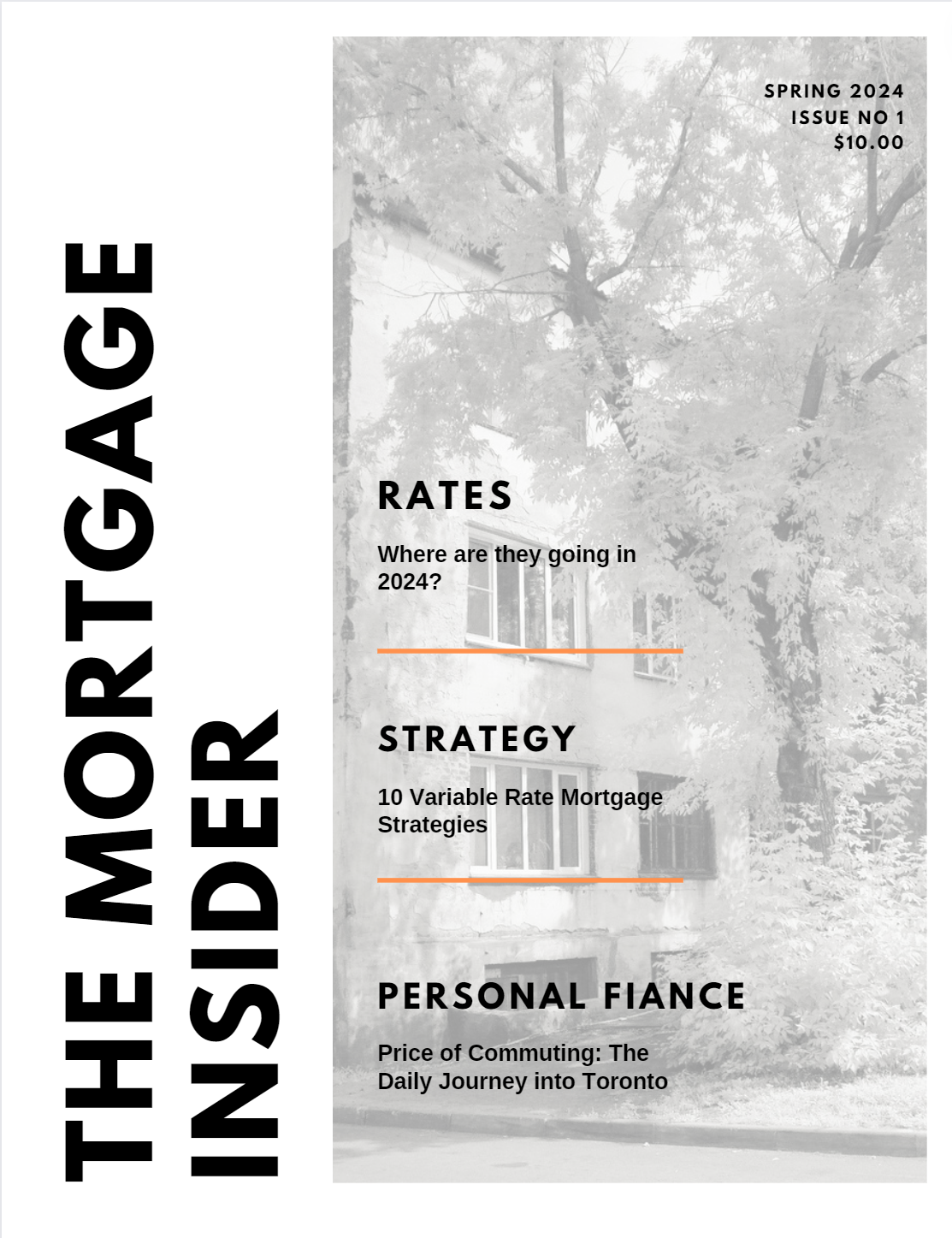
Get a free subscription to “The Mortgage Insider” containing rate updates and financial strategies!